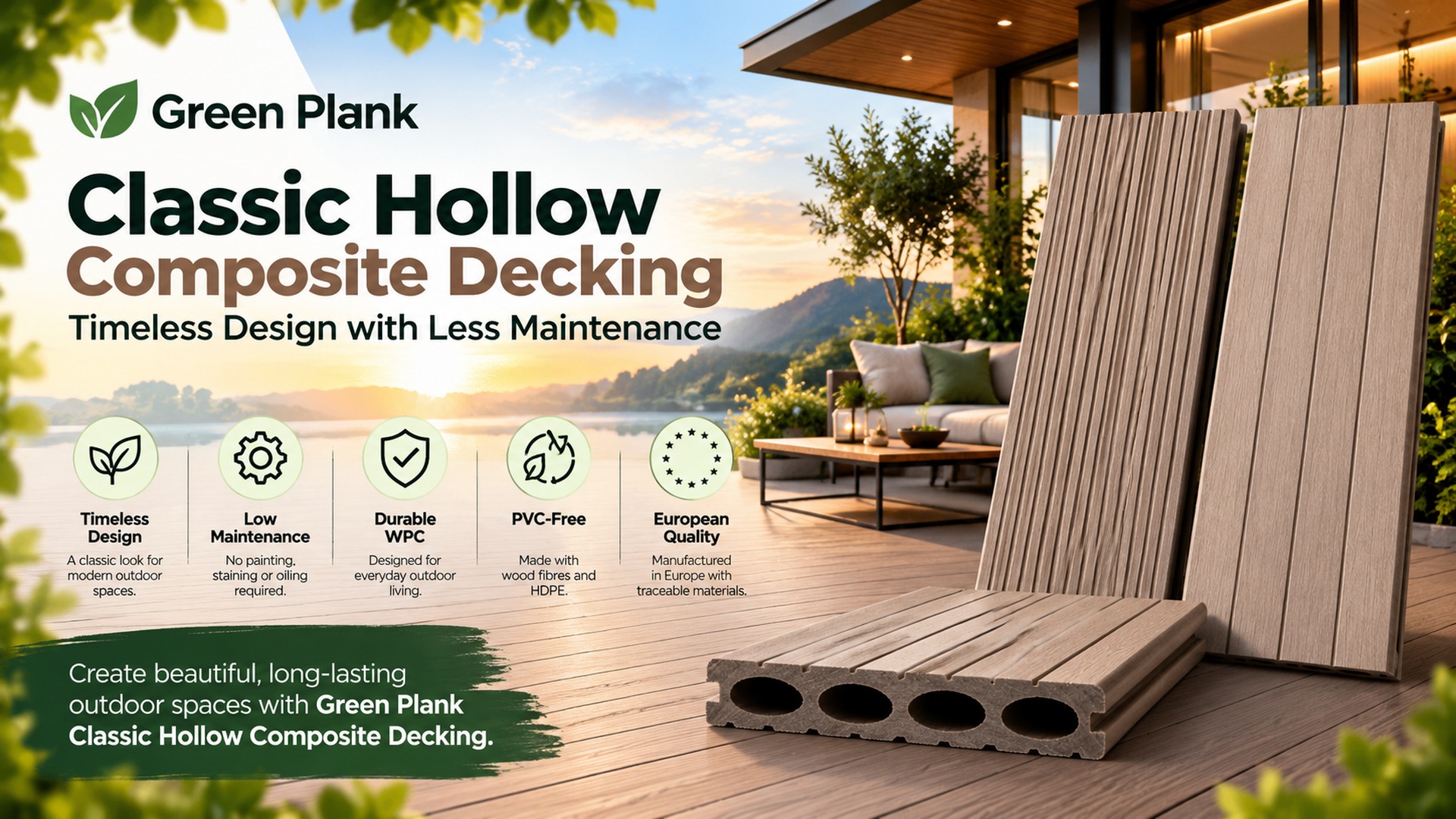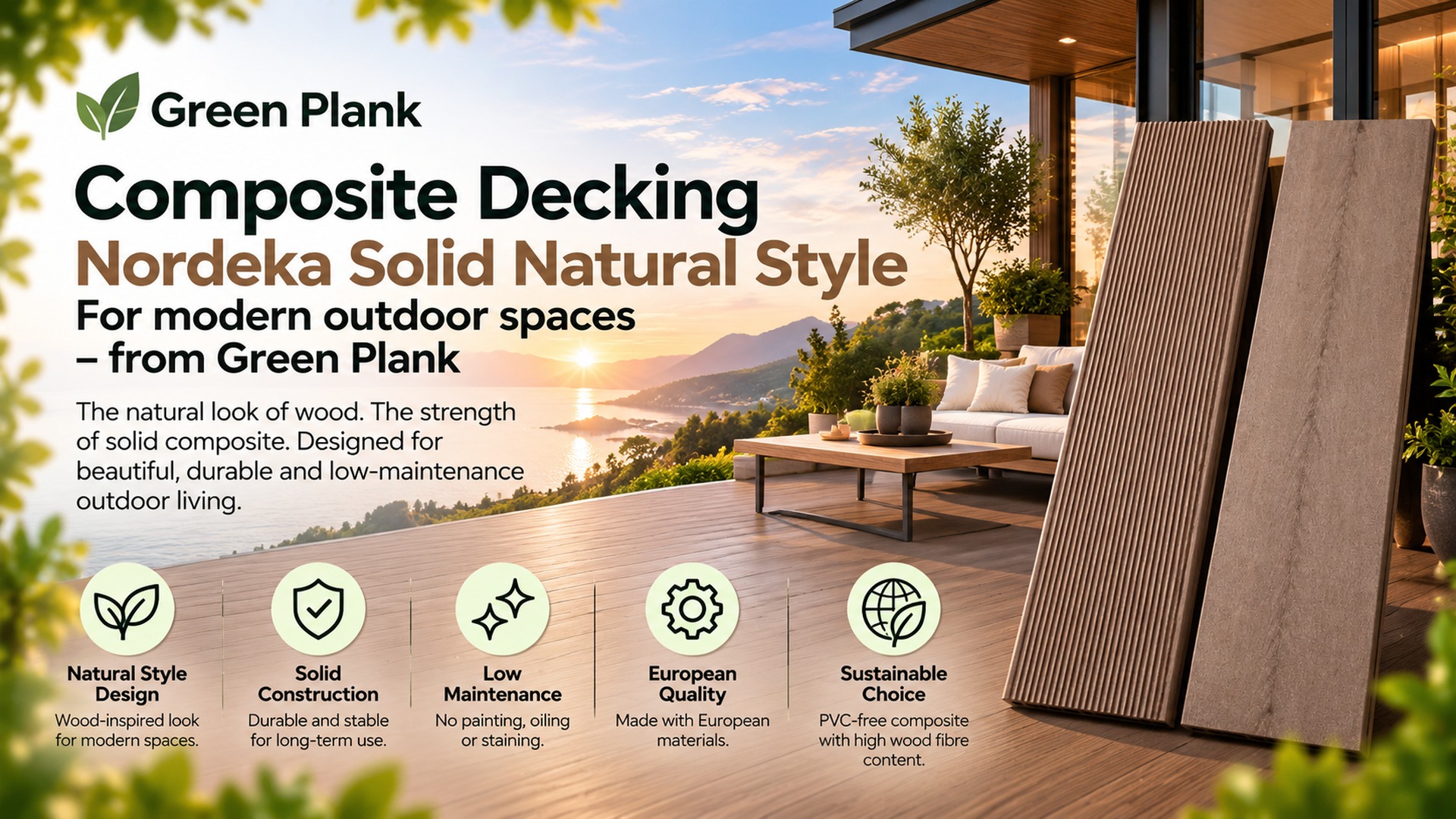




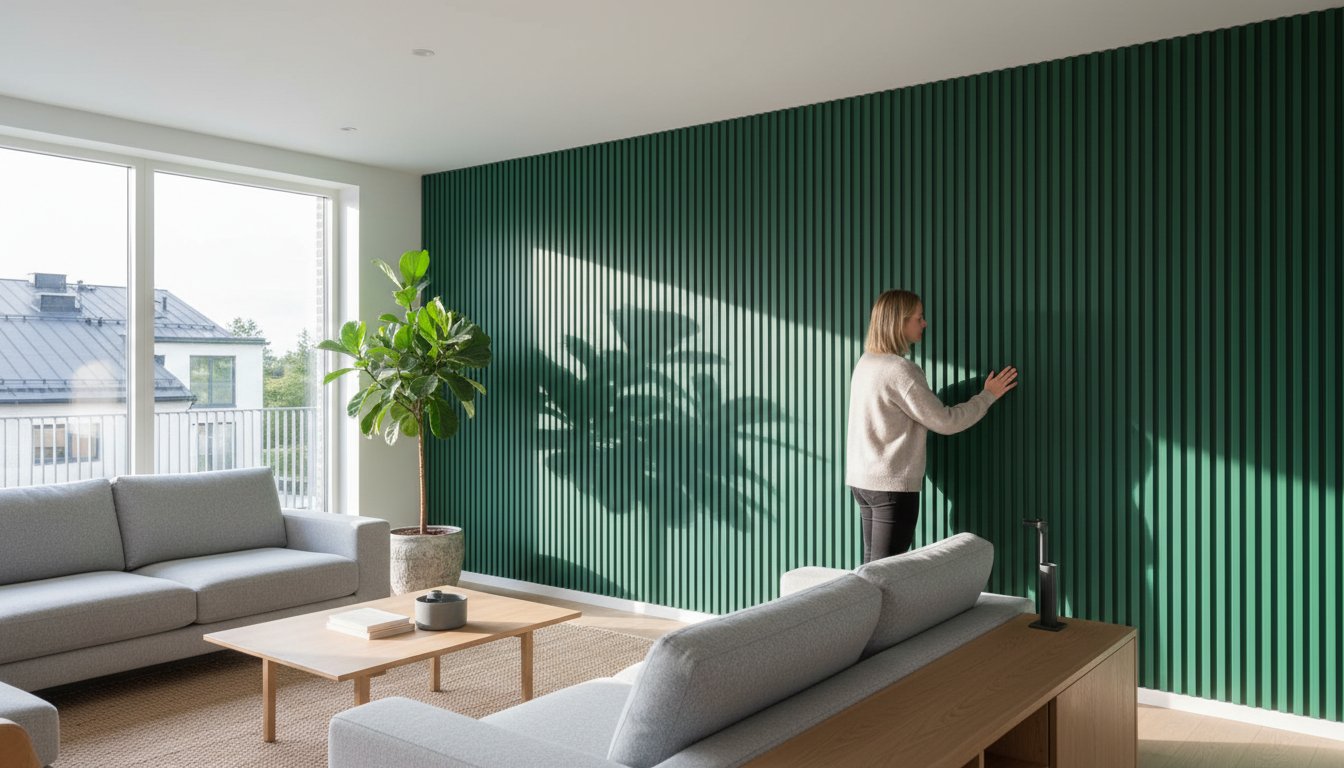
By 2026, the traditional reliance on natural timber for high-traffic interiors will be considered a maintenance liability rather than a high-end luxury. You likely value the warmth of natural textures but recognize that the labor-intensive upkeep and susceptibility to moisture damage in the Swedish climate are no longer sustainable. It's a common struggle to find interior wpc wall panels that offer a premium feel without the environmental guilt of non-recyclable plastics. Our professional-grade solutions bridge this gap with Nordic reliability and engineering precision.
This guide explores how European-produced composites are redefining the modern interior through traceable raw materials and circular design principles. We promise to show you how to achieve a maintenance-free finish that meets the rigorous CO2 reduction standards required for green building compliance. From technical durability to the signature Scandinavian look, you'll discover why these materials are built to last and designed for life. We will cover the latest installation techniques, moisture-resistant properties, and the long-term value of our 20-year engineering warranty, proving that sustainable design is the only way forward for 2026.
Key Takeaways
- Understand the evolution of interior design through European-engineered natural-fiber composites that outperform traditional timber in both durability and aesthetics.
- Discover how interior wpc wall panels eliminate the need for oiling or painting by offering superior resistance to warping, cracking, and UV-induced color fade.
- Compare the lifecycle costs of engineered WPC against traditional oak and PVC to see how professional-grade materials deliver long-term value in the Swedish market.
- Explore versatile design applications, including fluted 3D profiles and seamless ceiling wraps, to achieve a sophisticated and cohesive Nordic aesthetic.
- Learn how the Green Plank circular ownership model and traceable EU raw materials significantly reduce the CO2 footprint of your residential or commercial projects.
What are Interior WPC Wall Panels? Defining the Modern Standard
Modern interior design in Sweden has reached a turning point where traditional timber often fails to meet the rigorous demands of circular construction and long-term stability. Wood-Plastic Composites (WPCs) represent the next evolution in high-performance surfacing. These engineered materials fuse the organic warmth of wood with the resilience of advanced polymers to create a product that outperforms natural alternatives in every metric. As we approach 2026, interior wpc wall panels have emerged as the standard for architects who prioritize aesthetic depth alongside environmental responsibility.
The shift toward these composites isn't merely about durability; it's about a fundamental change in how we view indoor environments. 2026 design trends favor low-maintenance, organic textures that bring the outdoors in without the associated upkeep of natural wood. Green Plank embodies this shift through a clear manufacturing philosophy: Designed in Scandinavia. Produced in Europe. This ensures every panel meets strict environmental standards while delivering the minimalist, refined character expected in premium Nordic interiors.
The Composition of High-Performance WPC
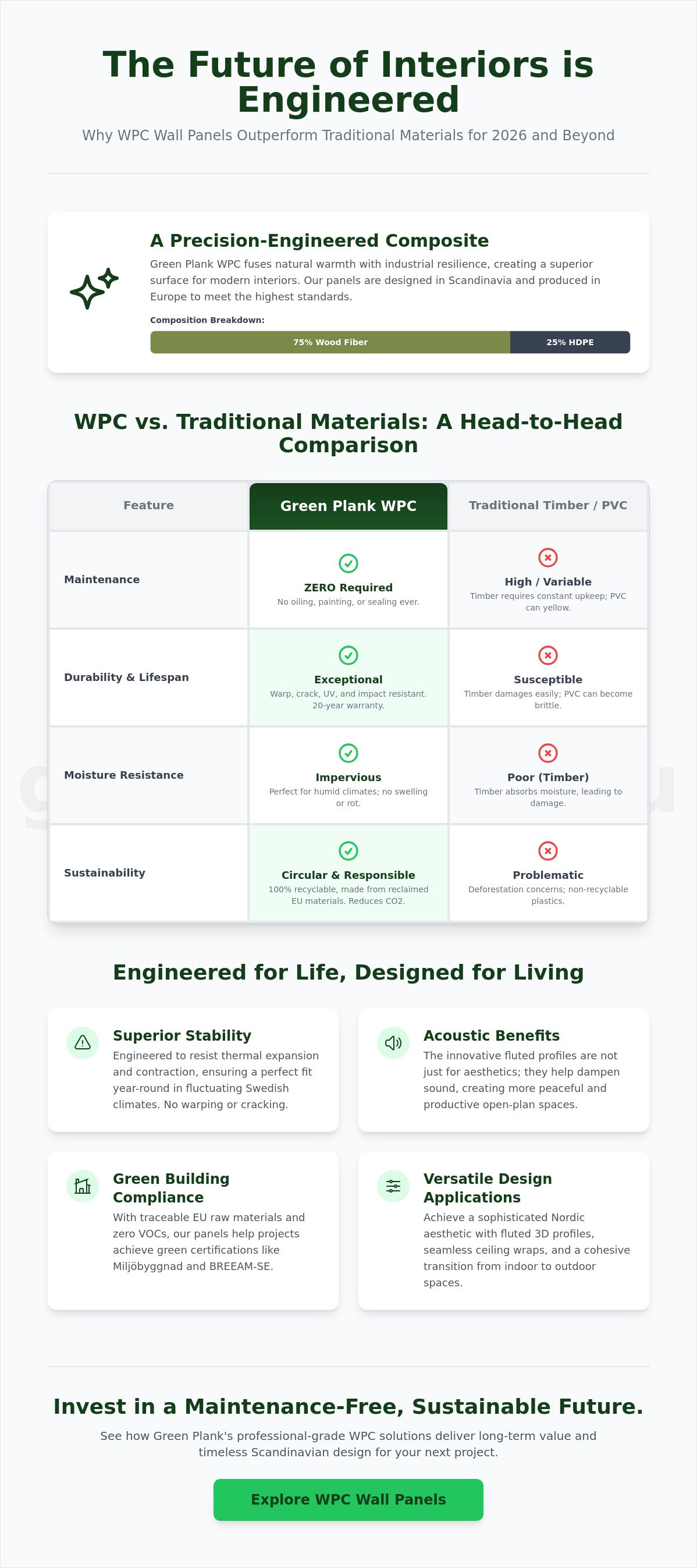
High-performance WPC isn't a simple mixture. It's a precision-engineered natural-fiber composite. Our panels utilize a specific ratio of 75% reclaimed hardwood fiber and 25% high-density polyethylene (HDPE). This formula ensures the material retains the tactile quality of timber while remaining impervious to the warping and moisture absorption that plague solid wood. We use 100% traceable EU raw materials to guarantee superior indoor air quality, which is essential for projects seeking Swedish building certifications like Miljöbyggnad or BREEAM-SE.
The engineering process incorporates low-density core technology. This technical attribute reduces the overall weight of the panels, which improves handling and speeds up installation times without sacrificing structural strength. It's built to last. Designed for life. By removing the need for toxic glues or volatile organic compounds (VOCs), these panels support a healthier living environment from day one.
Why Interior Designers are Moving to WPC
Designers specify interior wpc wall panels because they offer a perfect balance of refined Nordic character and industrial-grade durability. In residential living rooms, they provide a calm, sophisticated backdrop that requires zero staining or oiling. In high-traffic commercial foyers, the surface resists impacts and scratches that would typically destroy plasterboard or soft timber slats. This material technology shares the same technical DNA as our wpc composite decking, allowing for a seamless aesthetic transition between indoor and outdoor spaces.
- Maintenance-free: No sanding, painting, or sealing is ever required.
- Acoustic benefits: The fluted profiles help dampen sound in open-plan offices and homes.
- Sustainable lifecycle: 100% recyclable materials support a circular economy model.
- Stability: Engineered to resist thermal expansion and contraction in fluctuating Swedish climates.
Choosing WPC means investing in a product that maintains its integrity for decades. It's a decision that satisfies both the emotional desire for beauty and the rational need for a sustainable, cost-effective solution.
Engineered for Life: The Technical Benefits of Interior WPC
Interior WPC wall panels represent a significant evolution in material science, bridging the gap between natural aesthetics and industrial performance. Unlike traditional timber, which remains susceptible to the fluctuating humidity levels of the Swedish climate, these composite systems are engineered for dimensional stability. They resist the common pitfalls of warping, cracking, and splintering even when internal temperatures vary between 18°C and 25°C. This reliability stems from a precise blend of natural fibers and recycled polymers, creating a circular product that outperforms raw wood in high-traffic environments.
UV stability is a core requirement for modern Scandinavian architecture, where large windows invite intense sunlight. Green Plank utilizes high-grade pigments to prevent color fade, ensuring the visual integrity of the installation remains constant for decades. Safety remains paramount; our panels comply with European fire safety standards, typically achieving Euroclass ratings that meet strict building codes for residential and commercial structures. A 50-year warranty reflects this engineering confidence, offering a lifetime of service that traditional materials simply can't match. This longevity makes them a preferred choice for WPC design applications in sustainable construction projects across the Nordic region.
Moisture Resistance and Hygiene
Standard wood panels often fail in kitchens and bathrooms due to moisture absorption. High-quality interior wpc wall panels are entirely non-porous, which effectively prevents mould growth and bacterial accumulation. This makes them ideal for professional-grade healthcare or hospitality environments where hygiene is non-negotiable. Surfaces are easy to clean with standard pH-neutral detergents, maintaining a sterile environment without the need for toxic sealants or frequent sanding. Since the material doesn't absorb water, it won't swell or rot in damp conditions.
Acoustic Performance and Thermal Stability
The structural profile of fluted WPC designs serves a dual purpose. These ridges act as natural sound diffusers, breaking up sound waves to reduce echo in open-plan offices or high-ceilinged residential lofts. High-density composite cores also contribute to thermal regulation, helping to maintain a steady indoor climate and potentially reducing energy costs. Specifically, the geometric arrangement of the fluted profile can reduce ambient noise levels by up to 10 decibels in standard interior settings. If you're planning a renovation, you can explore our Nordic-inspired range to find a solution that balances acoustics with high-end aesthetics.
WPC vs. Traditional Materials: A Comparative Analysis
Selecting the right material for a project requires looking far beyond the initial purchase price. While a square meter of premium oak might cost 1,500 kr and basic PVC panels start at 350 kr, interior wpc wall panels offer a superior lifecycle value at approximately 950 kr. This investment pays for itself within five years because WPC requires zero oiling, sanding, or painting. The material is engineered for life, meaning it won't succumb to the typical degradation of organic wood. As detailed in the Oklahoma State University WPC Fact Sheet, the physical fusion of wood fibers and thermoplastics creates a surface that doesn't splinter or decay, ensuring the aesthetic remains pristine for decades.
Installation speed provides a decisive professional advantage for contractors and developers. Traditional timber requires days of acclimation and complex manual fixing, which often doubles labor expenses. Our modular composite systems utilize a tongue-and-groove logic that clicks together with engineering precision, significantly reducing time on site. From an environmental standpoint, European-made WPC carries a much lower CO2 footprint than imported hardwoods. We utilize 100% traceable raw materials and renewable energy in production, avoiding the carbon-heavy logistics associated with shipping timber from tropical regions to the Swedish market.
Why Traditional Wood Fails in Modern Interiors
Standard wood is a living material that reacts poorly to modern indoor climates. During the Swedish winter, central heating creates extremely dry air that causes oak and pine to shrink, warp, or develop unsightly gaps. Maintaining these surfaces requires periodic chemical treatments and refinishing, adding hidden costs of roughly 250 kr per square meter every few years. There are also growing sustainability concerns regarding non-traceable hardwood sources, which often fail to meet the strict circular economy standards expected in 2026.
WPC vs. Cheap PVC Imports
The aesthetic difference between high-quality WPC and budget PVC is immediate and profound. PVC often carries a synthetic, plastic sheen that feels cold and artificial in a professional setting. In contrast, interior wpc wall panels provide a deep, natural fiber texture that mimics the warmth of Scandinavian timber. Durability also separates the two materials; while PVC is prone to denting and cracking in high-traffic commercial infrastructure, our engineered profiles offer superior impact resistance. For those evaluating different composite technologies, understanding trex decking alternatives helps clarify why European engineered WPC is the more stable and sustainable choice for modern interiors.
Design Applications: Transforming Spaces with WPC Panelling
Interior WPC wall panels offer more than a simple surface finish. They provide a sophisticated structural design language for modern Swedish homes. In 2026, the focus is on texture and depth. Designers utilize fluted profiles to create 3D feature walls that interact with natural light. This adds immediate architectural interest to residential living areas and master bedrooms. The application isn't limited to vertical surfaces. Using interior wpc wall panels on ceilings creates a seamless, wrap-around Nordic aesthetic. This technique provides a cocooning effect that feels both secure and contemporary.
- Integrated Lighting: Modern panels are engineered to house recessed LED strips, highlighting the 3D texture without visible wiring.
- Commercial Versatility: Retail showrooms and boutique hotels in cities like Stockholm use WPC for its low-maintenance durability.
- Hidden Fastening: Systems like HidLoc™ ensure that the focus remains on the wood-grain finish rather than the hardware.
The transition from residential to commercial use is driven by the material's circular economy credentials. Retail spaces require surfaces that can withstand high traffic while maintaining a premium feel. Our panels deliver this stability. They're designed for life and built to last in demanding environments.
The Fluted Wall Trend in 2026
Vertical lines are a powerful tool for modifying the perception of space. In Swedish apartments with standard ceiling heights, fluted profiles create an illusion of greater verticality. Selecting the right color is essential for the mood. Natural ash tones provide a light, airy Scandinavian feel. Deep anthracite offers a bold, grounding contrast for executive offices or media rooms. This design continuity often bridges the gap between environments. Many homeowners mirror their exterior wall cladding ideas inside the home to create a fluid indoor-outdoor flow. It's a holistic approach to sustainable modern design.
Precision Installation with HidLoc™
A premium aesthetic requires a flawless finish. Visible screws disrupt the clean lines of high-end panelling. Our HidLoc™ system provides a screw-free surface that's essential for professional-grade interiors. These hidden fasteners serve a functional purpose beyond aesthetics. They allow for natural thermal expansion. Even within the controlled climate of a modern office, materials shift. The system manages this movement to prevent warping. For architects and contractors, our composite cladding installation guide offers a complete engineering overview of the mounting process. It's precision engineering for the conscious builder.
Specifying Sustainability: The Green Plank Commitment
Green Plank operates on a Cradle to Cradle ownership model. We design for a circular economy because we believe products should never have an "end of life," only a new beginning. We manufacture our interior wpc wall panels in Europe using 100% traceable raw materials. This transparency ensures we maintain a minimal CO2 footprint while delivering professional-grade durability. Our low-density composites are a strategic choice for large-scale Swedish developments. They reduce transport weight by approximately 20 percent, which directly lowers logistics-related emissions. It's a logistical advantage that serves both the planet and the project budget. Designed in Scandinavia. Produced in Europe.
Our commitment to sustainability isn't a marketing slogan; it's an engineering standard. By utilizing natural-fiber composites, we provide the warmth of wood without the environmental cost of deforestation. Every plank represents a step toward a carbon-neutral built environment. We prioritize the "Responsible Innovator" persona by ensuring our production facilities adhere to the strictest European environmental regulations. This localized approach allows us to maintain a steady, reliable supply chain for our Swedish partners, avoiding the volatility and high carbon costs of transcontinental shipping.
Circular Construction and CO2 Reduction
Waste is a design flaw. We solve this by using recycled HDPE and reclaimed wood fibers to prevent landfill accumulation. Our local European manufacturing model keeps supply chains short and accountable. This regional focus avoids the carbon-heavy shipping routes common in the construction industry. By choosing these materials, architects can earn higher ratings in green building certifications. For a deeper look at how we integrate these practices into modern architecture, read our guide on sustainable building materials and circularity.
- 100% traceable EU raw materials ensure ethical sourcing.
- Zero-waste manufacturing goals minimize industrial impact.
- Reduced transport emissions through engineered low-density profiles.
- High recycled content prevents thousands of tons of plastic from entering landfills.
Long-Term ROI and Professional Support
A 50-year service life transforms a wall covering into a permanent financial asset. Our interior wpc wall panels don't require the costly sanding, staining, or sealing cycles associated with traditional timber. This longevity provides a superior return on investment for commercial and residential owners alike. In the Swedish market, where labor costs for maintenance are high, the low-maintenance nature of WPC provides immediate economic relief. We support architects and contractors with detailed technical specifications and reliable supply timelines to ensure project success from the first draft to the final installation.
We provide the tools and data necessary for professionals to specify with confidence. Whether you're designing a high-traffic commercial lobby or a refined residential living space, our panels offer the perfect balance of engineering precision and aesthetic beauty. Built to last. Designed for life. We invite you to explore our interior WPC solutions and partner with a leader in sustainable Scandinavian engineering. Experience the quiet confidence of quality that respects the natural world.
The New Standard for Sustainable Swedish Interiors
Choosing the right materials for your next project means looking beyond aesthetics. It's about selecting a circular solution that respects the environment while providing unmatched longevity. Green Plank interior wpc wall panels represent this shift toward responsible innovation. By utilizing 100% European raw materials and a Cradle to Cradle ownership model, these panels ensure every square meter contributes to a healthier indoor climate and a lower carbon footprint. You're not just installing a wall surface; you're investing in professional-grade engineering backed by an industry-leading 50-year warranty.
This commitment to quality reduces long-term maintenance costs and eliminates the need for frequent replacements. Scandinavian design meets technical precision to create spaces that remain beautiful for decades. Every plank is manufactured to deliver stability, strength, and a refined Nordic character that traditional materials can't match. It's a choice that satisfies both the rational architect and the design-conscious homeowner. Take the next step in creating a space that respects nature without compromising on modern luxury. View the Green Plank Interior Cladding Collection and discover how our engineered solutions can transform your environment.
Built to last. Designed for life.
Frequently Asked Questions
Are interior WPC wall panels waterproof and suitable for bathrooms?
Yes, interior WPC wall panels are 100% waterproof and engineered specifically for high-moisture environments like bathrooms and laundry rooms. Unlike traditional timber that absorbs humidity and swells, these composite panels maintain their dimensional stability even with direct water contact. They're a reliable choice for Swedish wet rooms where humidity levels often fluctuate between 40% and 70% throughout the seasons.
How do I clean and maintain interior composite wall panels?
Maintaining these panels requires nothing more than a soft cloth and warm, soapy water to remove dust or surface marks. You'll never need to sand, oil, or paint them because the non-porous surface resists staining and fading. This low-maintenance design ensures your walls stay pristine for decades. It's a practical solution for busy households that value a clean, professional-grade aesthetic without the labor of natural wood.
Can WPC panels be installed directly over existing wallpaper or tiles?
You can install panels directly over existing tiles or wallpaper as long as the surface is flat, dry, and structurally sound. For uneven walls, we recommend using a simple timber batten system to create a level substrate for the panels to click into. This method reduces renovation waste by approximately 30% since you don't have to strip back old materials before starting your project.
Do interior WPC panels emit harmful VOCs or chemicals?
High-quality interior WPC wall panels are engineered to be low-VOC and are significantly safer for indoor air quality than many traditional paints or adhesives. Our products use 100% traceable raw materials and contain no added formaldehyde or harmful lead stabilizers. Most professional-grade WPC products meet the strict E1 emission standards required for European residential buildings, ensuring a healthy environment for your family.
What is the difference between fluted WPC and standard flat panels?
The primary difference is the surface profile and how it interacts with light and sound. Fluted panels feature a 3D ribbed texture that creates architectural shadows and improves room acoustics by diffusing sound waves. Standard flat panels provide a minimalist, smooth appearance that mimics traditional wood planks. Fluted designs are currently featured in over 60% of modern Scandinavian accent wall installations due to their unique depth.
How much do interior WPC wall panels cost compared to real wood?
Interior WPC wall panels typically cost between 450 kr and 950 kr per square metre in the Swedish market. While the initial price is comparable to premium oak or walnut, the long-term value is much higher. You save roughly 150 kr per square metre every five years because you don't need to buy specialized oils, stains, or professional refinishing services. Built to last. Designed for life.
Is a professional installer required for interior WPC panelling?
A professional isn't required because the tongue-and-groove interlocking system is designed for straightforward DIY installation. Most homeowners can finish a standard 12-square-metre feature wall in less than five hours using basic woodworking tools. However, hiring a professional is recommended for complex bathroom layouts to ensure water-tight seals around plumbing fixtures and precision corner joins.
Can WPC wall panels be used on ceilings as well as walls?
WPC panels are an excellent choice for ceilings due to their lightweight construction and aesthetic consistency. Using the same material on both surfaces creates a cohesive Nordic design that makes a room feel larger and more integrated. Because they're engineered not to warp or sag, they provide a permanent, maintenance-free alternative to heavy timber beams or traditional plasterboard ceilings.
Specify the product
Use this guide with a Green Plank specification
Technical articles support the commercial catalogue — category, product, evidence, then samples or quotes.