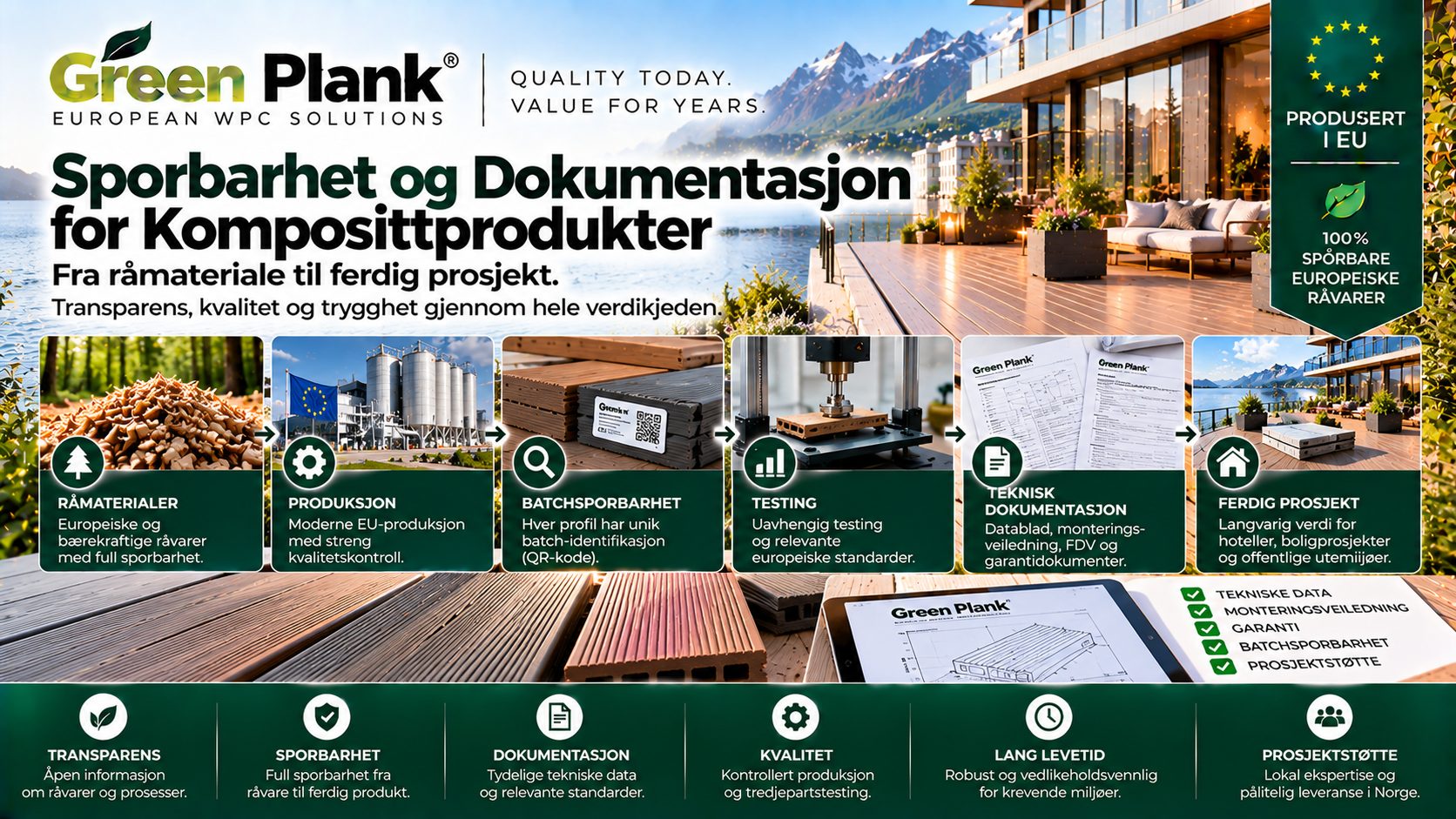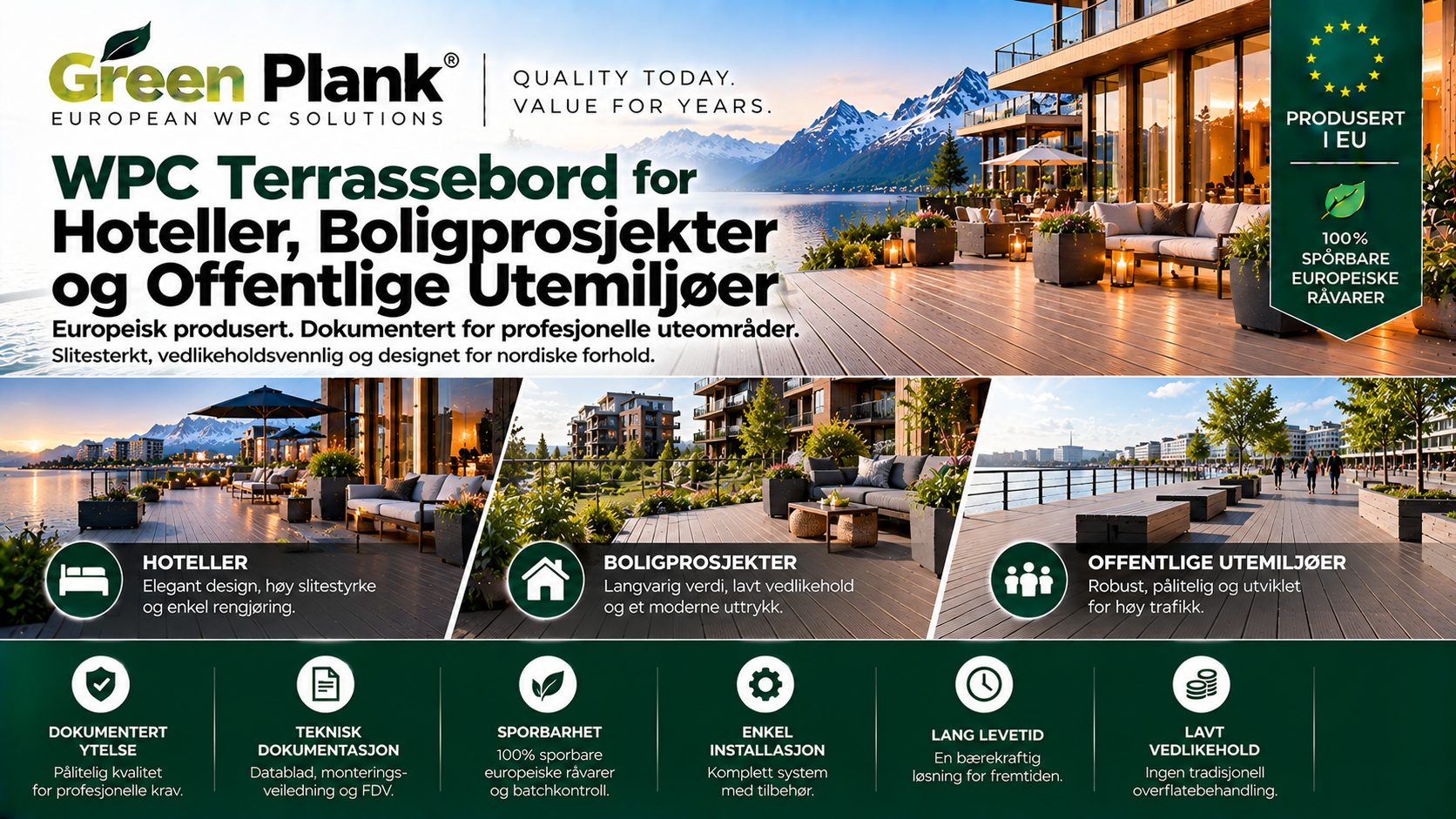




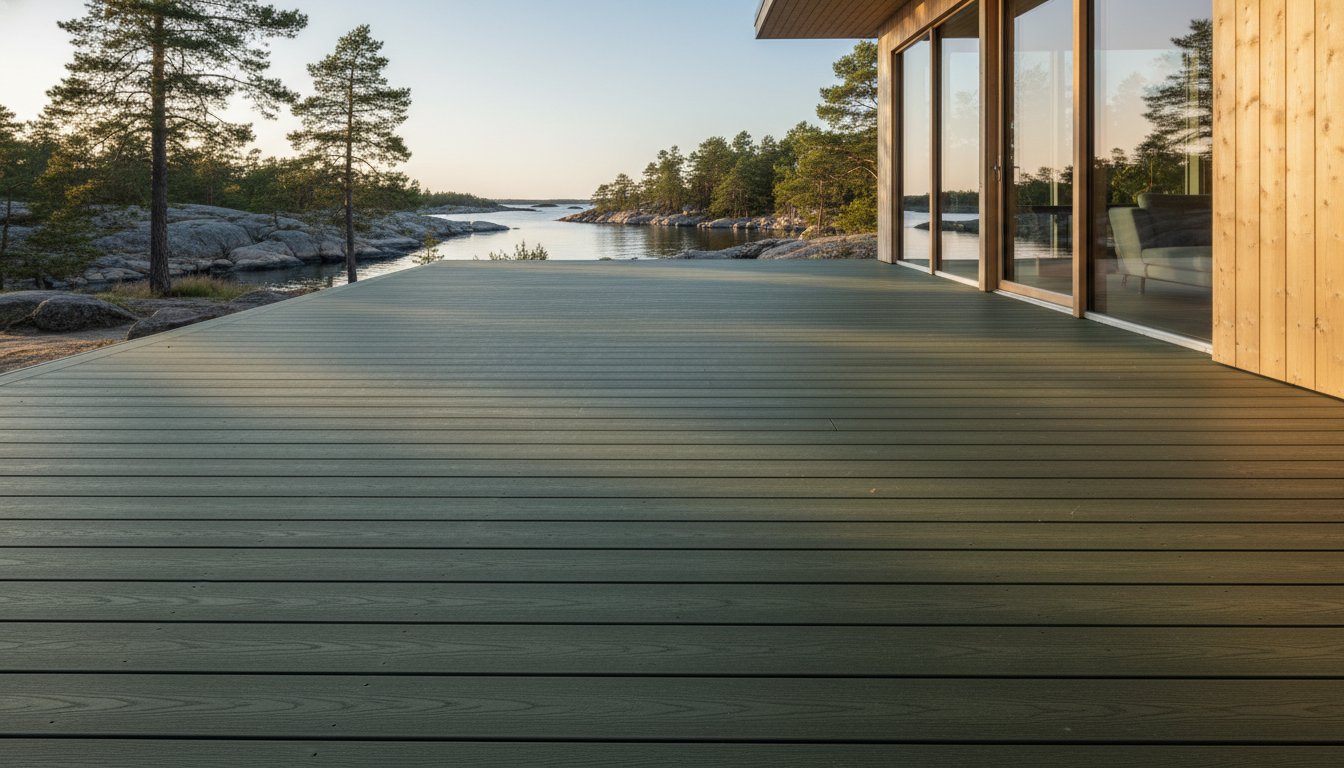
A 50-year warranty is not a marketing insurance policy; it is an engineering outcome of high-density material science and rigorous European manufacturing standards. Most homeowners accept that traditional timber will eventually rot, warp, or succumb to insects, leading to high replacement costs and a cycle of waste. You likely feel that "planned obsolescence" has no place in your construction projects. Quality should be permanent. Finding genuine building materials with 50 year warranty requires looking beyond the sales pitch to the technical attributes that ensure long-term performance.
You deserve a maintenance-free outdoor space that respects nature while providing a permanent architectural solution. In this guide, you'll learn which materials truly last half a century and how the right engineering choices can maximize your return on investment. We'll examine the material science that makes these guarantees possible, clarify the complexities of warranty fine print, and validate the sustainability of long-life products. From high-performance WPC composite decking to durable fencing systems, discover how to build for the next fifty years with confidence.
Key Takeaways
- Define the difference between surface aesthetics and structural integrity to understand what a 50-year guarantee truly protects.
- Explore the material science of UV resistance and moisture absorption that allows advanced composites to outperform traditional timber.
- Evaluate the long-term ROI of building materials with 50 year warranty compared to common alternatives like metal or fiber cement.
- Learn how European engineering and 100% EU-sourced raw materials support both extreme durability and a reduced carbon footprint.
- Discover the technical installation requirements, such as substructure stability and expansion gap management, necessary to validate a half-century promise.
Table of Contents
- What Does a 50-Year Warranty Actually Mean in Modern Construction?
- The Science of Longevity: Why Some Materials Outlast Others
- Comparing 50-Year Building Materials: Decking, Roofing, and Cladding
- Installation and Maintenance: The "Fine Print" of a 50-Year Promise
- Green Plank’s 50-Year Solutions: Terra Tuff and Smart System
What Does a 50-Year Warranty Actually Mean in Modern Construction?
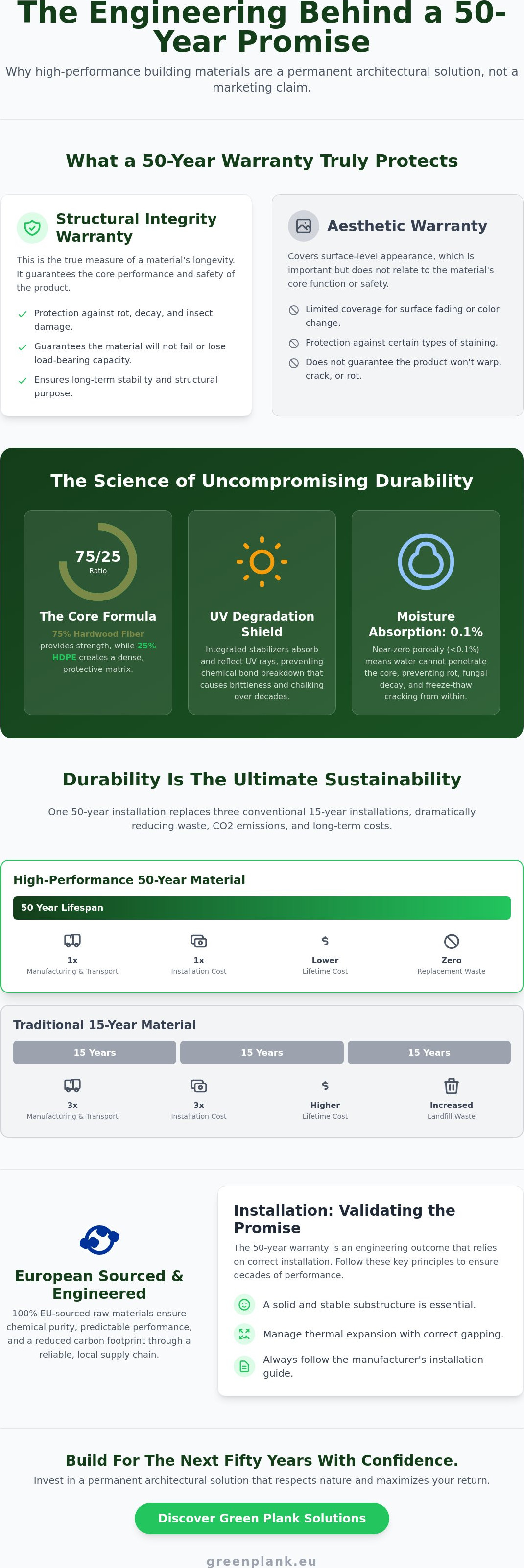
A 50-year warranty represents more than a timeframe; it serves as a rigorous engineering benchmark for durability. In the construction industry, this "Half-Century Standard" separates temporary solutions from permanent assets. When you evaluate common building materials, you'll often see varying levels of protection. It's vital to distinguish between aesthetic warranties, which cover surface fading or staining, and structural warranties, which guarantee the material won't fail, rot, or lose its load-bearing capacity. A structural guarantee is the true measure of a product's integrity.
High-performance materials achieve these long-term guarantees through superior product density and precise composition. For instance, composite decking engineered with a 75% hardwood fiber and 25% HDPE ratio creates a dense, weather-resistant matrix that resists moisture and decay. This material science is the reason manufacturers reserve 50-year terms for their premium-tier lines. They don't offer these terms based on hope; they offer them because laboratory stress tests prove the material can withstand decades of environmental pressure. Investing in building materials with 50 year warranty ensures you're buying a verified performance outcome rather than a temporary fix.
Warranty vs. Service Life: The Critical Difference
A warranty is a legal safety net, but the actual service life of a premium product often extends to 60 or 70 years. This longevity is rooted in "Cradle to Cradle" design principles, where products are engineered for a circular lifecycle. By utilizing 100% EU raw materials, manufacturers ensure a level of chemical purity and structural predictability that standard imports often lack. This regional reliability means the material ages gracefully; it maintains its structural purpose long after the formal warranty period has passed.
The Sustainability Argument for 50-Year Materials
Durability is the ultimate form of environmental responsibility. When you select materials that last half a century, you significantly reduce CO2 footprints by eliminating the need for repeated manufacturing and transportation cycles. The math is simple: one 50-year installation replaces three 15-year installations. "Cheap" materials often carry the highest environmental and financial price. They require frequent replacement, consume more resources over time, and contribute to landfill waste. Long-life materials represent a commitment to both your property's value and the planet's future.
The Science of Longevity: Why Some Materials Outlast Others
UV degradation is a silent destroyer of outdoor structures. High-energy solar radiation breaks the chemical bonds in unprotected polymers, leading to surface chalking and structural brittleness. Engineering building materials with 50 year warranty involves integrating specific stabilizers that neutralize this energy at a molecular level. These additives act as a microscopic shield; they absorb or reflect UV rays before they can sever the polymer chains that hold the material together. This engineering precision ensures that your outdoor space remains structurally sound for decades.
Moisture absorption is the second major catalyst for material failure. Most traditional products succumb to internal rot because they act like sponges. A moisture absorption rate of 0.1% is the technical benchmark for half-century success. This near-zero porosity prevents the freeze-thaw cycles that crack inferior materials from the inside out. When water cannot penetrate the core, fungal decay and rot never get a chance to start. Achieving this level of resistance requires a precise 75/25 formula: 75% hardwood fiber and 25% HDPE combined with performance additives.
The Role of High-Density Polyethylene (HDPE)
Material choice dictates long-term flexibility. While PVC is common in construction, it often becomes brittle and prone to shattering as it ages through seasonal temperature shifts. We utilize 100% EU-sourced HDPE because it maintains its molecular consistency over a much wider temperature range. This polymer purity is essential for a predictable service life of building materials. By sourcing raw materials locally within Europe, we ensure the high density required for 50-year structural integrity.
Hardwood Fiber vs. Softwood: The Durability Gap
Internal reinforcement depends on fiber density. Hardwood fibers are naturally stronger and less porous than softwood alternatives. This provides superior reinforcement and significantly better screw-holding power over a 50-year span. Every hardwood fiber must be fully encapsulated in the HDPE polymer matrix to prevent internal moisture ingress. This "Shield" technology creates a composite that combines the natural strength of wood with the impenetrable nature of advanced plastics. It's a technical synergy that makes a half-century promise realistic.
Managing thermal expansion is equally vital, especially for large-scale Commercial Infrastructure Profiles. These profiles are engineered to move naturally with temperature changes without compromising the substructure. You can explore our sustainable WPC decking solutions to see how this material science creates a maintenance-free, long-life architectural asset.
Comparing 50-Year Building Materials: Decking, Roofing, and Cladding
Evaluating various building materials with 50 year warranty requires a technical understanding of how each substance interacts with its environment. While some materials offer longevity through sheer mass, others rely on molecular engineering. You must weigh the trade-offs between initial cost, maintenance requirements, and structural reliability. Selecting the right material involves looking past the surface to the engineering that supports a half-century promise.
Metal roofing is frequently recognized for its resilience. It provides excellent wind resistance and fire protection. However, these systems are often susceptible to coating failure and excessive noise during heavy rain. Over a 50-year span, the aesthetic finish may peel or fade; this necessitates costly recoating even if the structural panel remains intact. For many, the acoustic profile of metal is a significant drawback in residential settings.
Fiber cement serves as another common option for exterior surfaces. It's fire-resistant and offers a traditional appearance. Over time, however, the material can become brittle and develop hairline cracks. These fissures allow moisture to penetrate, which often leads to delamination in freezing conditions. Natural stone remains the gold standard for infinite life, but its extreme weight and high cost make it impractical for many modern architectural applications. WPC composite provides a balanced solution for composite wall cladding and decking. It captures the visual appeal of wood while utilizing polymer science to prevent decay.
Why WPC is Replacing Traditional Wood in High-Spec Projects
Pressure-treated timber rarely achieves a half-century service life. It's prone to warping, checking, and internal rot as chemical treatments dissipate over time. In the European market, trex decking alternatives are evolving to prioritize both durability and ecological responsibility. These European-engineered products utilize 100% EU raw materials to ensure consistent structural performance. Research by the National Institute of Standards and Technology (NIST) regarding The Science of Longevity emphasizes that material resilience is the foundation of sustainable construction.
Commercial Infrastructure vs. Residential Grades
Public piers, marinas, and boardwalks have different requirements than residential garden spaces. Commercial Infrastructure Profiles are engineered with thicker walls and specialized internal ribbing to manage high-traffic loads and constant environmental stress. While residential grades focus on lifestyle and aesthetics, commercial grades prioritize structural rigidity and safety. Green Plank’s infrastructure solutions are built to withstand heavy use in demanding public spaces. Selecting building materials with 50 year warranty for these applications ensures a predictable lifecycle and reduces long-term maintenance budgets for municipal and commercial developers.
For large-scale civil engineering projects, the same principles of material longevity apply to structural reinforcement; experts like Composites Construction UK utilize advanced composite technologies to ensure the long-term stability and repair of critical concrete infrastructure.
Installation and Maintenance: The "Fine Print" of a 50-Year Promise
Managing expansion gaps is another non-negotiable step. Composite materials naturally expand and contract with temperature shifts. Ignoring these technical requirements leads to buckling or warping, which are issues resulting from poor craftsmanship rather than material defects. Proper spacing allows the material to move without stress. Additionally, airflow and ventilation serve as the unsung heroes of longevity. Without proper circulation, moisture traps form beneath the surface, creating a micro-climate that challenges even the most durable materials. Proper ventilation ensures the system stays dry and stable for decades.
The Critical Role of Hidden Fastening Systems
Surface-screwing creates direct entry points for moisture and localized stress. Every hole drilled into the board's face is a potential failure point over several decades. We utilize HidLoc™ Hidden Fastening Systems to eliminate these vulnerabilities. This engineering provides a flawless, screw-free finish while allowing the boards to move naturally within their clips. Following a professional deck installation guide ensures that these fasteners are spaced perfectly to maintain the structural promise of the system. Documentation is your final legal safeguard. You must register your project with the manufacturer to bridge the gap between a physical product and a legal guarantee.
Maintenance Realities: Low Maintenance vs. No Maintenance
The "no maintenance" claim is a myth that can inadvertently void your protection. While premium composite systems don't require the sanding or staining associated with timber, they do require periodic cleaning. In humid climates, organic debris like pollen or leaves can settle on the surface and encourage mold growth if left undisturbed. Annual inspections and basic washing prevent these elements from compromising the aesthetic finish. A 50-year system is a high-performance asset; it requires minimal but consistent care to reach its full service life. You can view our full range of high-performance WPC composite decking to see how our engineering simplifies this maintenance cycle.
Green Plank’s 50-Year Solutions: Terra Tuff and Smart System
Identifying the right building materials with 50 year warranty requires a focus on proven manufacturing systems that have withstood the test of time. While some market participants express doubt regarding the long-term survival of manufacturers, our heritage provides a different perspective. Since 2004, we've operated as a family-owned, independent manufacturer rooted in European values. This stability ensures that our half-century performance guarantees are backed by a consistent corporate legacy and a transparent supply chain. We control every aspect of production, from the selection of 100% EU raw materials to the final quality inspection.
Our commitment to longevity is best exemplified by our Cradle to Cradle ownership model. We don't just sell a product; we provide a sustainable architectural solution that remains part of a circular economy. This approach validates the environmental credentials of our products, ensuring that extreme durability and ecological responsibility work in tandem. By utilizing regional manufacturing standards, we reduce the CO2 footprint of your project while delivering a material that outlasts traditional alternatives by decades.
Terra Tuff: The Benchmark for Composite Durability
Terra Tuff represents the peak of our engineering for extreme environments. It's specifically designed for high-traffic areas where structural failure isn't an option. With superior density and a high load-bearing capacity, this profile maintains its integrity under constant stress. It features advanced slip resistance, making it the professional choice for wpc composite decking in both residential terraces and heavy-duty commercial piers. Whether facing coastal salt spray or intense solar heat, Terra Tuff provides a predictable, maintenance-free service life that justifies the investment in premium building materials with 50 year warranty.
A Legacy of Innovation since 2004
The Smart System further bridges the gap between modern innovation and half-century reliability. It incorporates the same high-performance 75/25 hardwood-to-HDPE ratio found in our most durable lines, but with a focus on versatile application. We support architects and specifiers through every stage of the 50-year journey, providing the technical data and installation support needed to ensure success. Our independent manufacturing status allows us to maintain a level of polymer purity and molecular consistency that large, faceless corporations often struggle to replicate. This regional reliability is the cornerstone of our brand.
Building for the next fifty years requires more than just a high-quality board; it requires a partnership with a manufacturer that understands the science of the future. We invite you to imagine a beautiful, maintenance-free outdoor space that respects nature and stands as a testament to quality craftsmanship. If you're ready to specify a permanent solution for your next project, consult with our specialists to explore our full range of high-durability WPC systems.
Building for the Future with Engineering Precision
Investing in the long-term performance of your property requires a shift from temporary fixes to permanent architectural solutions. You've seen how high-density material science, particularly the 75/25 hardwood and HDPE matrix, creates a shield against the elements. You also understand that the longevity of your outdoor space depends on the synergy between premium materials and precise installation standards. Longevity is a calculated outcome of rigorous engineering; it's not a matter of chance.
Specifying building materials with 50 year warranty is a commitment to both financial wisdom and ecological responsibility. By choosing products like Terra Tuff, which utilizes 100% EU raw materials and follows a Cradle to Cradle ownership model, you're ensuring that your project respects nature while providing maintenance-free durability. It's about creating a legacy of quality that stands for half a century without compromise. You can build a space that remains as structurally sound in fifty years as it is on the day of installation.
We invite you to Explore Green Plank's 50-Year Warranty Products to discover how our European-engineered systems can transform your next project into a permanent asset. Build with the confidence that your investment is protected by decades of innovation and a deep-rooted commitment to sustainability.
Frequently Asked Questions
Is a 50-year warranty on building materials actually realistic?
Yes, it's realistic when the material is engineered with specific high-density polymers and UV stabilizers. These warranties are the result of laboratory stress testing that simulates decades of environmental exposure. When you select building materials with 50 year warranty, you're investing in a product designed for a service life that often exceeds the formal guarantee. It's a technical benchmark for structural integrity rather than a simple marketing promise.
What does a 50-year warranty cover for composite decking?
A standard 50-year warranty typically covers material defects such as rot, fungal decay, and structural damage from termites. It's important to distinguish these from aesthetic warranties, which might cover fading or staining for a shorter duration. Structural coverage ensures the material remains safe and load-bearing for half a century. You should always review the specific terms to understand exclusions regarding improper installation or extreme environmental events.
Do I need a special installer to keep my 50-year warranty valid?
Many premium warranties require installation by manufacturer-certified professionals to remain fully valid. For instance, fewer than 1% of U.S. roofing contractors hold the specific certifications required for certain 50-year non-prorated material warranties. While some products allow for independent installation, following the manufacturer’s technical guidelines is non-negotiable. Improper installation is the most common reason for warranty claim denials; it's vital to follow the documented engineering standards.
What happens to the warranty if the manufacturer goes out of business?
A warranty is typically only as strong as the company that issues it. This is why choosing established, family-owned manufacturers with a history of independent operation is vital. Some brands offer third-party insurance-backed warranties, but the most reliable protection comes from regional manufacturers with transparent supply chains and stable corporate structures. You should prioritize "Responsible Innovators" who demonstrate a long-term commitment to their product lines and regional heritage.
Are 50-year building materials significantly more expensive?
Premium materials carry a higher initial cost but offer a superior return on investment over time. For example, high-performance composite decking might cost more upfront than pressure-treated timber, but it eliminates the need for multiple replacement cycles. When you factor in the lack of sanding, staining, and structural repairs, the total lifecycle cost is lower than "cheap" alternatives. Quality building materials with 50 year warranty protect your long-term financial interests.
Can a 50-year warranty be transferred to a new homeowner?
Most 50-year warranties are transferable, though specific conditions often apply. Some manufacturers allow a one-time transfer within the first five years of purchase, while others require a transfer fee and notification within a specific window of the property transfer. Transferability adds significant resale value to a home. It provides the next owner with the same engineering confidence and peace of mind regarding the building's structural integrity.
Which materials are best for building a deck that lasts 50 years?
The best choice for a half-century deck is a high-density WPC composite with a 75/25 hardwood-to-polymer ratio. Materials like Terra Tuff are engineered for extreme environments and maximum service life. These systems utilize 100% EU raw materials to ensure molecular consistency. Combining these boards with a durable substructure and hidden fastening systems like HidLoc™ creates a deck that withstands decades of weather without the risk of internal rot.
Does a 50-year warranty mean I never have to clean the material?
No, "low maintenance" does not mean "no maintenance." To keep a 50-year warranty valid, you must perform basic cleaning to prevent organic debris from settling on the surface. In humid climates, pollen and leaves can encourage surface mold if left undisturbed. Simple annual washing ensures the material's aesthetic finish remains as durable as its internal structure. Regular care is a small requirement for protecting such a long-term architectural asset.
Spesifiser produktet
Bruk denne guiden i en Green Plank-spesifikasjon
Tekniske WPC-artikler skal støtte de kommersielle sidene — ikke konkurrere med dem. Fortsett til komposittdekke, TerraTuff, Nordeka eller de tekniske nedlastningene.