



What if your home's exterior could achieve the warm, organic texture of natural timber without the inevitable decay or the heavy carbon cost of imported materials? Many architects and homeowners feel forced to choose between the authentic beauty of wood and the durability of plastic, often settling for artificial finishes that lose their appeal within just a few seasons. You shouldn't have to compromise your architectural vision to satisfy environmental responsibilities.
This guide explores 15 innovative outdoor wpc wall cladding design ideas that balance high-end aesthetics with European-engineered sustainability. By utilizing a composition of 75% hardwood fiber and 25% HDPE, these designs offer the tactile quality of timber while eliminating the constant need for staining or sealing. We'll preview how to transform your property with maintenance-free installations that increase long-term value, featuring everything from contemporary vertical patterns to the seamless finish of the HidLoc™ hidden fastening system. Discover how a 50-year service life and a Cradle to Cradle ownership model are redefining the modern facade in 2026.
Key Takeaways
Understand the architectural shift from high-maintenance timber to high-performance composites that offer superior resistance to rot and UV damage.
Explore a variety of outdoor wpc wall cladding design ideas, including fluted 3D profiles and sleek flat panels, to find the perfect texture for your facade.
Learn how to apply specific architectural styles, such as Scandinavian Minimalism or Modern Industrial, using light greys and deep charcoal palettes.
Discover the technical benefits of vertical and horizontal installation patterns and how the HidLoc™ hidden fastening system ensures a seamless, professional finish.
Prioritize environmental responsibility by choosing European-engineered materials made from 75% hardwood fiber with a 50-year service life warranty.
Table of Contents
What is Outdoor WPC Wall Cladding and Why is it the Modern Standard?
Exploring the Palette: Texture, Profile, and Colour Variations
5 Architectural Styles Transformed by WPC Cladding
Strategic Installation Patterns: Elevating Visual Impact
Engineering Your Vision with Green Plank’s EU-Made Solutions
What is Outdoor WPC Wall Cladding and Why is it the Modern Standard?
Modern architecture demands more than just aesthetic appeal; it requires structural integrity and ethical accountability. Wood-plastic composite (WPC) has emerged as the definitive solution for high-performance facades. It effectively bridges the gap between the organic warmth of timber and the industrial resilience of advanced polymers. This material isn't just a covering. It's a sophisticated engineering choice that addresses the fundamental weaknesses of traditional building materials.
The global shift from timber to composite is driven by the reality of maintenance cycles. Traditional wood cladding demands a rigorous schedule of sanding, staining, and sealing to prevent rot and UV degradation. WPC eliminates these burdens entirely. By utilizing a precise blend of 75% hardwood fiber and 25% HDPE, these panels provide a natural, matte appearance while remaining impervious to moisture and insects. This level of architectural performance ensures beauty that lasts 50 years without the need for toxic chemical treatments.
The Evolution of Composite Facades
Composite materials have undergone a significant transformation. Early iterations often suffered from a "plastic" sheen that lacked the depth of real wood. Today's premium options feature brushed timber textures and authentic color variegation that mimic natural grain patterns. When exploring outdoor wpc wall cladding design ideas, it's vital to consider the origin of the material. European manufacturing standards guarantee chemical safety and structural stability that generic imports often lack. WPC cladding is a fusion of natural aesthetics and polymer resilience.
Sustainability as a Design Requirement
Specifiers in 2026 view sustainability as a core design requirement rather than a secondary feature. The Cradle to Cradle ownership model ensures that materials are managed responsibly throughout their entire lifecycle. Choosing 100% EU-sourced raw materials is a strategic move to reduce the CO2 footprint of a project by minimizing long-distance logistics. This commitment to regional reliability ensures that your exterior respects nature while protecting your investment. For more insights on ethical specification, read our guide on Sustainable Building Materials: The 2026 Guide to Circular Construction. Integrating these outdoor wpc wall cladding design ideas into your project signals a commitment to both high-end design and environmental stewardship.
Exploring the Palette: Texture, Profile, and Colour Variations
Profile selection is the foundation of any facade strategy. It dictates how light interacts with the surface and defines the building's architectural character. Flat profiles offer a sleek, minimalist aesthetic that suits contemporary residential designs. Fluted or ribbed designs introduce depth and shadow, creating a more dynamic exterior. These choices are supported by research on WPC properties, which highlights how material density and composition affect mechanical performance across diverse climates. Low-density engineering is particularly valuable in this context. It allows architects to specify complex shapes and deep grooves without adding excessive weight to the building envelope.
Fluted and Ribbed Profiles for Visual Depth
Fluted cladding is currently a leading choice for commercial entrances and residential feature walls. These 3D profiles create distinct shadow lines that shift throughout the day, providing a living texture to the facade. This rhythmic verticality draws the eye upward and adds a sense of grandeur to even modest structures. Beyond aesthetics, ribbed structures offer a technical advantage. They facilitate better airflow between the cladding and the substrate, which assists in thermal dissipation on sun-exposed facades. When considering outdoor wpc wall cladding design ideas, these profiles provide a tactile quality that standard flat panels cannot match.
The Natural Colour Spectrum
Achieving an authentic look depends on the material's ability to mimic the variegation of real timber. High-quality WPC utilizes natural hardwood fibers to create subtle shifts in tone across the surface. This prevents the flat, monochromatic appearance often associated with lower-grade plastics. Because our formulations contain 75% hardwood content, the panels maintain a sophisticated matte finish that reflects light naturally. You won't see the artificial "silvering" effect common in natural cedar or larch. Instead, UV-stable pigments ensure that warm teak, deep walnut, or weathered grey tones remain consistent for decades.
Selecting the right hue involves analyzing the surrounding landscape and local light exposure. Darker charcoal and slate tones anchor a building within urban environments. Lighter sand or oak finishes complement coastal or garden settings. If you're looking to refine your project's aesthetic, you can view our complete color range to see how these textures perform in real-world applications. Integrating these outdoor wpc wall cladding design ideas ensures that your exterior remains both visually striking and environmentally responsible for a 50-year service life.
5 Architectural Styles Transformed by WPC Cladding
Architectural vision is most effective when material selection aligns with the intended environment. Using specific outdoor wpc wall cladding design ideas allows designers to execute distinct visions while ensuring the facade withstands environmental stressors. From windswept coastal regions to dense urban centers, the adaptability of composite profiles creates a vital bridge between structural form and organic texture. These applications prove that sustainability doesn't limit creativity; it enhances it.
The Scandinavian Aesthetic
Scandinavian design prioritizes light, simplicity, and a connection to the natural world. Utilizing light-reflecting tones like silver-grey or pale oak is essential for maintaining a bright atmosphere, especially in northern latitudes. Vertical installation is a hallmark of this style. It creates clean, elongated lines that provide a modern, organic rhythm to the building's envelope. Pairing these wall panels with matching WPC decking creates a seamless transition between interior living spaces and the outdoors. This holistic approach to material use reinforces a sense of calm and order. For a deeper technical exploration of these applications, see our Composite Wall Cladding: The 2026 Guide to Sustainable Exterior Facades.
Industrial and Urban Sophistication
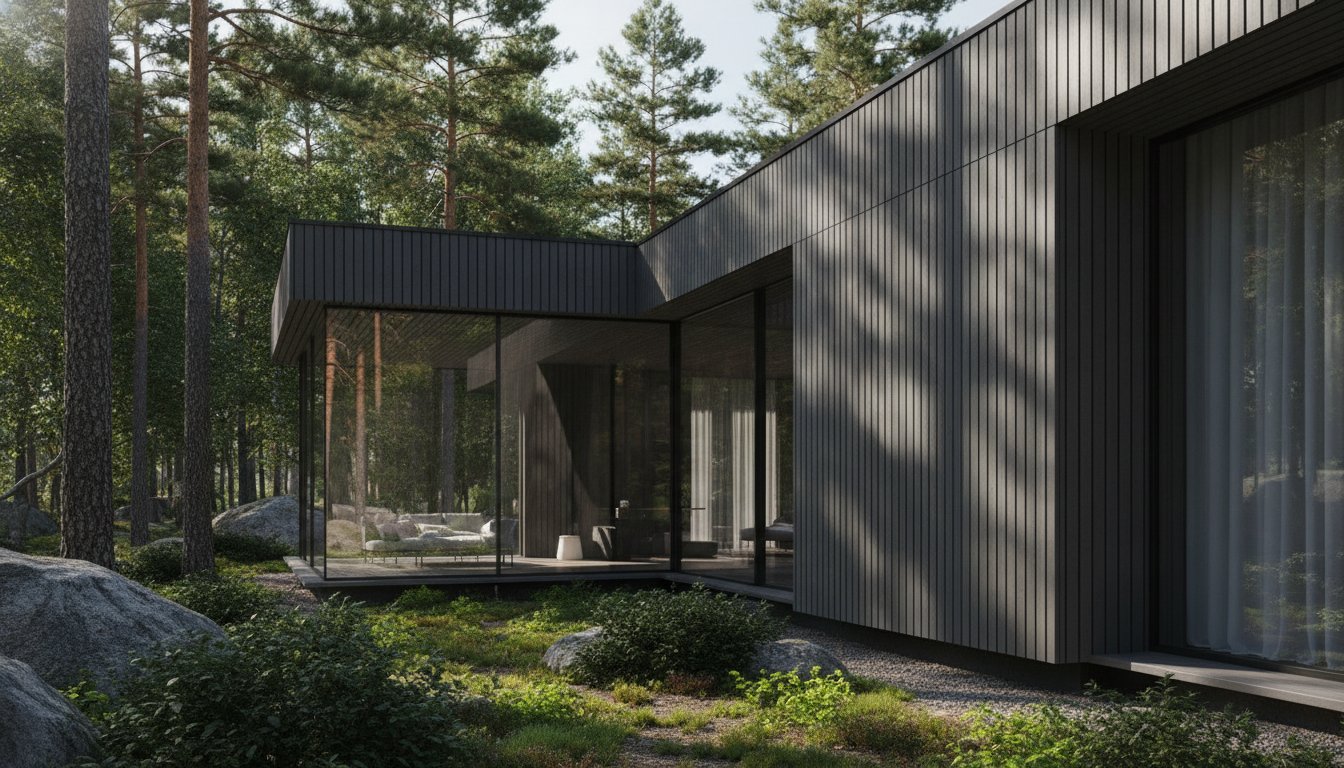
Modern industrial architecture relies on high-contrast materials and raw, honest textures. Dark charcoal or slate cladding provides a sophisticated backdrop for architectural lighting. It pairs perfectly with exposed steel beams and expansive glass elements. In soot-heavy urban environments, these low-maintenance facades are indispensable. They don't absorb pollutants like porous masonry or traditional timber, ensuring the building remains pristine for decades. Using horizontal patterns grounds tall, narrow structures. This orientation provides a sense of stability and echoes the traditional craftsmanship of classic urban warehouses.
Specialized Design Frameworks
Beyond standard residential looks, WPC cladding excels in specialized architectural frameworks:
Biophilic Design: Integrating warm walnut or teak tones directly into green walls fosters a psychological connection to nature without the rot risks associated with real wood in high-moisture planter environments.
Coastal Contemporary: Projects in maritime climates benefit from salt-resistant composites that won't corrode, warp, or splinter when exposed to intense sea spray and high UV levels.
Commercial Infrastructure: Public facades and transport hubs require extreme durability; WPC offers high-traffic resilience and impact resistance that maintains its integrity under heavy use.
Implementing these outdoor wpc wall cladding design ideas ensures that your project remains visually striking while meeting the rigorous performance standards of 2026. Whether you're designing a private retreat or a public landmark, the synthesis of European engineering and thoughtful design creates a facade that respects both the inhabitant and the environment.
Strategic Installation Patterns: Elevating Visual Impact
The success of any exterior project relies on the relationship between material quality and installation strategy. While the choice of profile is critical, the orientation of the panels dictates the building's perceived dimensions and visual weight. Strategic installation patterns allow architects to manipulate light and shadow, effectively changing how a structure interacts with its environment. These outdoor wpc wall cladding design ideas move beyond simple coverage; they serve as a tool for architectural storytelling.
Vertical vs. Horizontal: The Designer's Choice
Vertical installation is a primary choice for modern residential projects and Scandinavian-inspired designs. It draws the eye upward, creating an illusion of height and grandeur that can make smaller structures appear more imposing. This orientation is particularly effective for disguising uneven building heights or creating a sense of modern organic rhythm. Conversely, horizontal installation creates a sense of stability and width. It mimics traditional ship-lap craftsmanship, grounding the structure and making it feel more expansive and approachable. Designers often mix these orientations to define different zones of a multi-story building, using vertical lines for focal towers and horizontal patterns for connecting wings.
For those seeking a more artistic approach, diagonal and herringbone patterns transform a standard facade into a feature wall. These complex arrangements are ideal for entryways or commercial signage backdrops where a high-impact focal point is required. Because our panels are engineered with 75% hardwood fiber, they maintain the structural integrity needed for these intricate cuts without the risk of splintering or edge failure common in lower-quality composites.
The HidLoc™ Advantage for Design Integrity
Visual clutter is the enemy of premium architectural design. Visible screw heads ruin the sleek aesthetic of a modern facade and create potential points for moisture ingress. The HidLoc™ Hidden Fastening System provides a screw-free finish that preserves the material's clean lines and natural texture. This system isn't just about aesthetics; it's a critical engineering component. It allows for the natural material expansion and contraction that occurs with temperature shifts, preventing the warping or buckling that can plague face-fixed installations.
Utilizing a hidden system ensures a professional finish that supports our 50-year warranty. It protects the integrity of the 100% EU-sourced raw materials and maintains the "Responsible Innovator" standard we bring to every project. To achieve this premium, uninterrupted look for your next project, you can explore our HidLoc™ installation systems and see how they integrate with various outdoor wpc wall cladding design ideas. Choosing the right fastening technology is the final step in ensuring your sustainable facade remains maintenance-free and visually striking for decades.
Engineering Your Vision with Green Plank’s EU-Made Solutions
Turning creative outdoor wpc wall cladding design ideas into a permanent architectural reality requires a foundation of engineering excellence. Design is only as sustainable as the materials used to build it. We provide the technical precision needed to ensure your facade remains a high-value asset for decades. By manufacturing exclusively in the EU, we maintain total control over chemical safety and environmental standards. This ensures every profile meets the rigorous demands of 2026 construction codes.
Quality You Can Trace
The integrity of our composite begins with the quality of the fiber. We use 75% hardwood fiber rather than the generic 'wood flour' fillers found in many global imports. This high hardwood content provides the superior natural feel and structural stability required for complex architectural shapes. Our European engineering process results in a low-density board that's significantly easier to handle and install. Our 50-year warranty stands as a testament to our engineering confidence and commitment to long-term performance.
True sustainability involves more than just recycled content; it requires a circular approach to material management. Our Cradle to Cradle ownership model ensures that every board is designed for a circular economy. This reduces the CO2 footprint of your project from the very first day. This ethical manufacturing stance allows specifiers to meet strict environmental targets without compromising on the high-end aesthetic of their outdoor wpc wall cladding design ideas.
Starting Your Project
Moving from a conceptual vision to a finalized specification is a collaborative process. We work closely with architects and developers to select the right commercial infrastructure profiles for high-traffic or high-exposure environments. Testing color and texture in your local lighting conditions is a vital step in the design journey. We encourage you to request samples to see how our matte finishes and brushed textures interact with your specific site conditions.
Your facade is the face of your architectural legacy. It should reflect your commitment to quality and the planet. Contact Green Plank for a Professional Cladding Consultation to begin engineering your sustainable exterior today.
Defining the Future of Sustainable Facades
The evolution of exterior design in 2026 is defined by a commitment to material integrity and environmental responsibility. We've explored how various outdoor wpc wall cladding design ideas can transform a property, moving from the selection of fluted or flat profiles to the strategic application of vertical patterns. By prioritizing high hardwood content and the HidLoc™ hidden fastening system, you ensure a finish that isn't just visually seamless but engineered for a 50-year service life.
Choosing 100% EU raw materials and a Cradle to Cradle certified approach isn't just an ethical choice; it's a technical safeguard for your investment. These standards guarantee chemical safety and structural performance that generic alternatives can't match. As you refine your architectural palette, remember that a maintenance-free exterior is a reflection of forward-thinking craftsmanship. Explore Green Plank's Sustainable Cladding Collections to begin your transformation with regional reliability and engineering confidence. Your vision for a beautiful, nature-respecting outdoor space is within reach.
Frequently Asked Questions
Does WPC wall cladding fade in direct sunlight?
Premium WPC cladding is engineered with UV-stable pigments to resist the silvering common in natural timber. While all materials exposed to direct sunlight experience a minor initial stabilization, our high hardwood content ensures the matte finish remains consistent for decades. You won't need to restain or seal the surface to maintain its original architectural intent.
Is outdoor WPC cladding actually fire-resistant for residential use?
Yes, quality WPC panels in 2026 meet stringent fire safety standards like EN 13501-1 B-s1,d0 in Europe. This classification indicates low smoke production and no flaming droplets during combustion. It's a reliable choice for residential facades where safety and compliance are as critical as the outdoor wpc wall cladding design ideas you choose to implement.
How does the cost of WPC cladding compare to natural cedar over 10 years?
While the initial investment for WPC is typically higher than natural cedar, the total cost of ownership over ten years is significantly lower. Cedar requires biannual staining and sealing to prevent rot, which adds substantial labor and material costs. Research indicates that WPC's long-term costs can be 30% to 50% lower than traditional wood over a 20-year period because it effectively eliminates maintenance cycles.
Can WPC wall panels be installed vertically and horizontally?
WPC wall panels offer complete orientation flexibility and can be installed both vertically and horizontally. Vertical patterns help create an illusion of height and modern grandeur, while horizontal layouts provide a stable, traditional aesthetic. This versatility allows you to experiment with diverse outdoor wpc wall cladding design ideas to define specific zones of a building or create unique architectural focal points.
What maintenance is required for composite wall cladding?
Maintenance is minimal and limited to occasional cleaning with soap and water to remove surface dust or organic debris. Unlike timber, composite cladding doesn't require sanding, oiling, or chemical treatments to maintain its structural integrity. This maintenance-free performance is a primary reason why modern specifiers prefer composites for high-end residential and commercial projects.
Is Green Plank cladding made from recycled materials?
Green Plank cladding utilizes a sustainable blend of 75% hardwood fiber and 25% HDPE. Our commitment to a Cradle to Cradle ownership model ensures that we prioritize the circular economy throughout our manufacturing process. By using 100% EU raw materials, we reduce the carbon footprint of every panel while maintaining the highest standards of chemical safety and regional reliability.
Do I need special tools to install WPC wall panels?
You don't need specialized machinery; standard woodworking tools like miter saws and drills are sufficient for cutting and preparing the panels. However, we recommend using our HidLoc™ Hidden Fastening System to achieve a screw-free, premium finish. This system manages material expansion and contraction while ensuring the installation meets the requirements of our 50-year warranty.
How does WPC cladding handle extreme European winter temperatures?
European-engineered WPC is specifically designed to withstand extreme thermal cycles, from heavy snow to sub-zero temperatures. The material's low-density composition and balanced moisture resistance prevent the cracking or warping that often affects natural wood in harsh climates. The HidLoc™ system further supports this by allowing the panels to move naturally without compromising the facade's structural integrity.
Specifikér produktet
Brug denne guide i en Green Plank-specifikation
Tekniske WPC-artikler skal understøtte de kommercielle sider — ikke konkurrere med dem. Fortsæt til kompositterrasse, TerraTuff, Nordeka eller de tekniske downloads.