



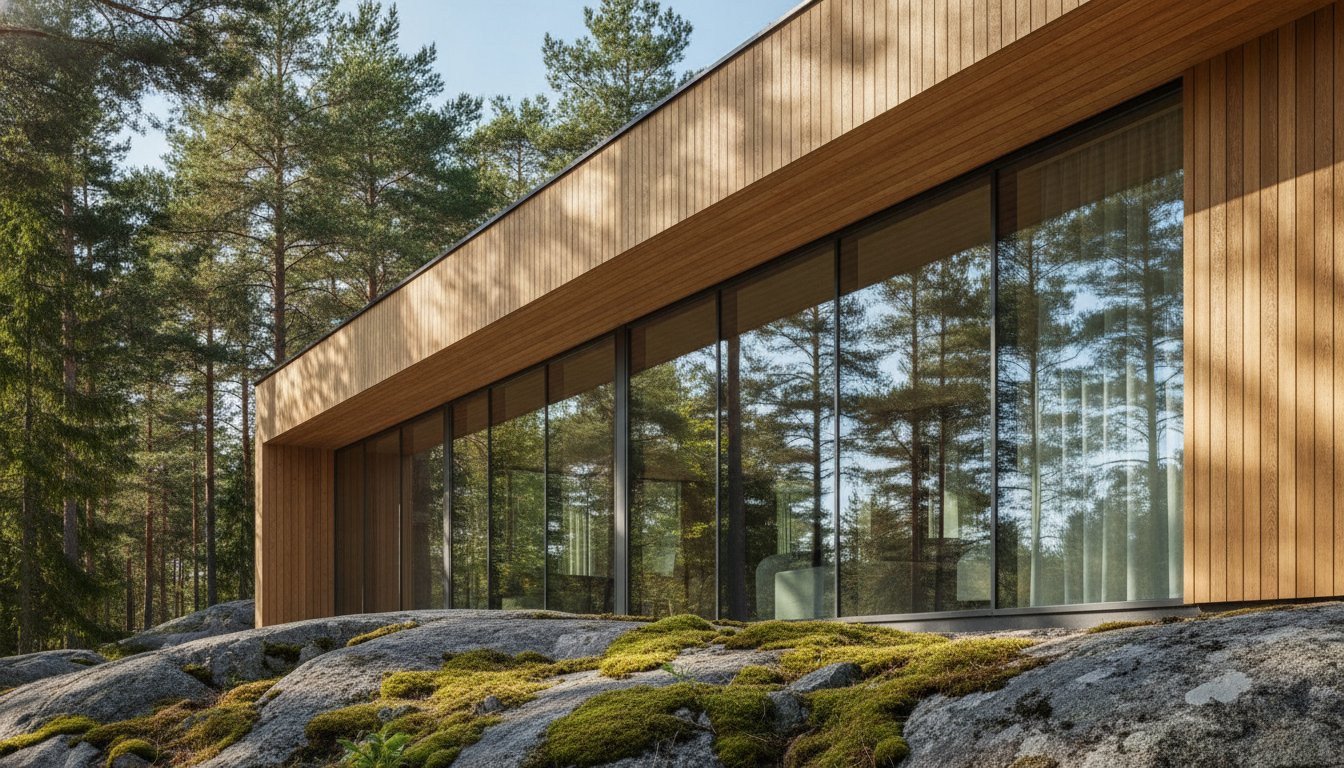
A facade shouldn't just protect a building; it should outlast the generation that designed it. Many professionals are frustrated by the rapid degradation of traditional timber and the environmental cost of inferior, plastic-heavy alternatives. You need a solution that meets aggressive CO2 reduction targets while eliminating the high maintenance costs that drain commercial budgets. Specifying sustainable composite wall cladding is the most effective way to bridge the gap between high-end architectural aesthetics and genuine ecological responsibility.
This 2026 guide reveals how European engineering combines 75% hardwood fiber with high-density polymers to deliver a 50-year sustainable facade solution. We'll explore the transition to 100% EU-sourced raw materials, the practical advantages of a Cradle to Cradle ownership model, and how advanced material science allows your projects to comply with the latest global fire safety standards. You'll see how to balance premium design with a reduced carbon footprint, ensuring your building remains a high-performance asset for decades.
Key Takeaways
Learn why a 75% hardwood fiber ratio is the engineering benchmark for thermal stability and aesthetic authenticity in sustainable composite wall cladding.
Understand the Cradle to Cradle ownership model and how circular design ensures your facade materials remain a high-value resource rather than future waste.
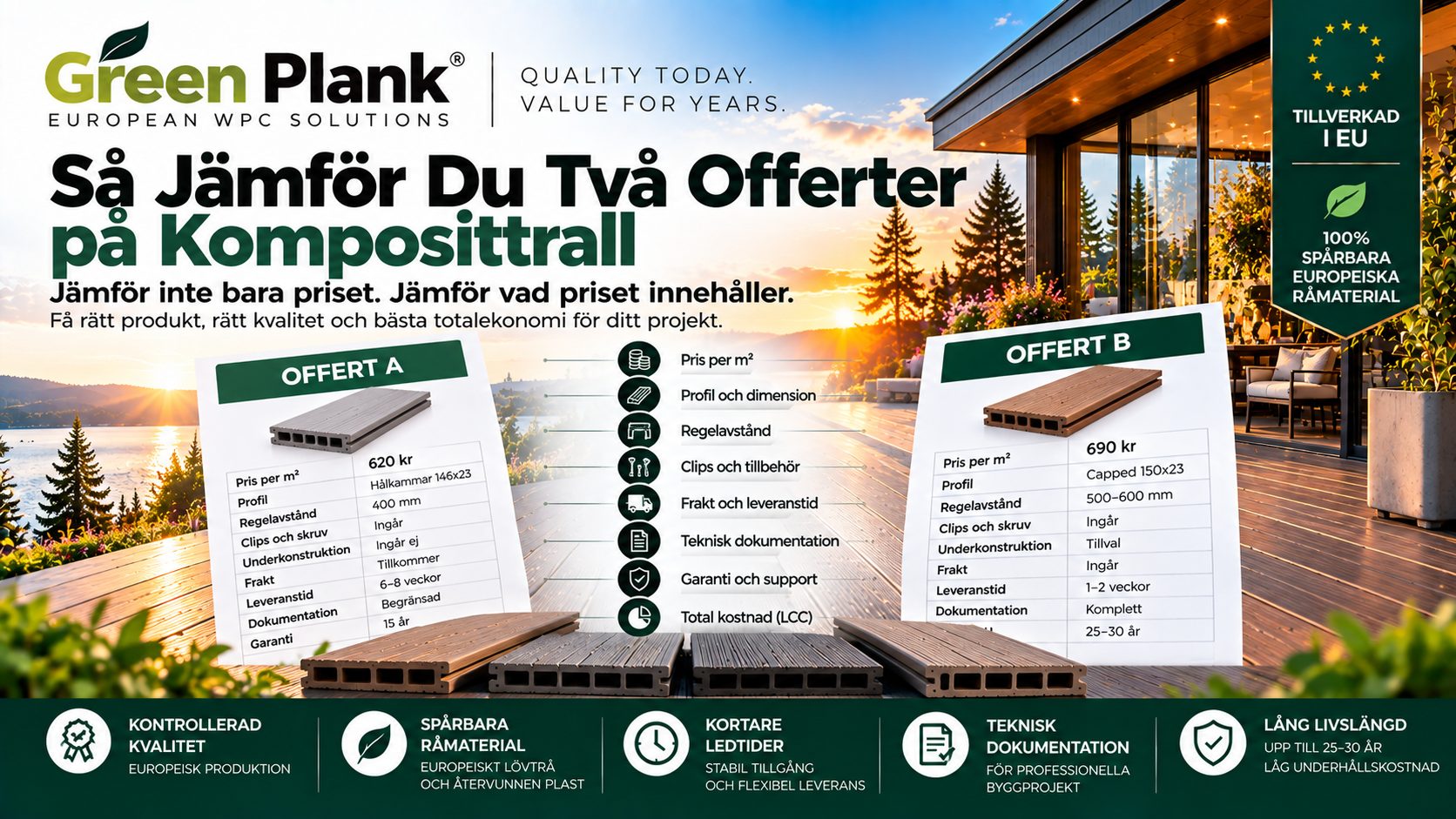
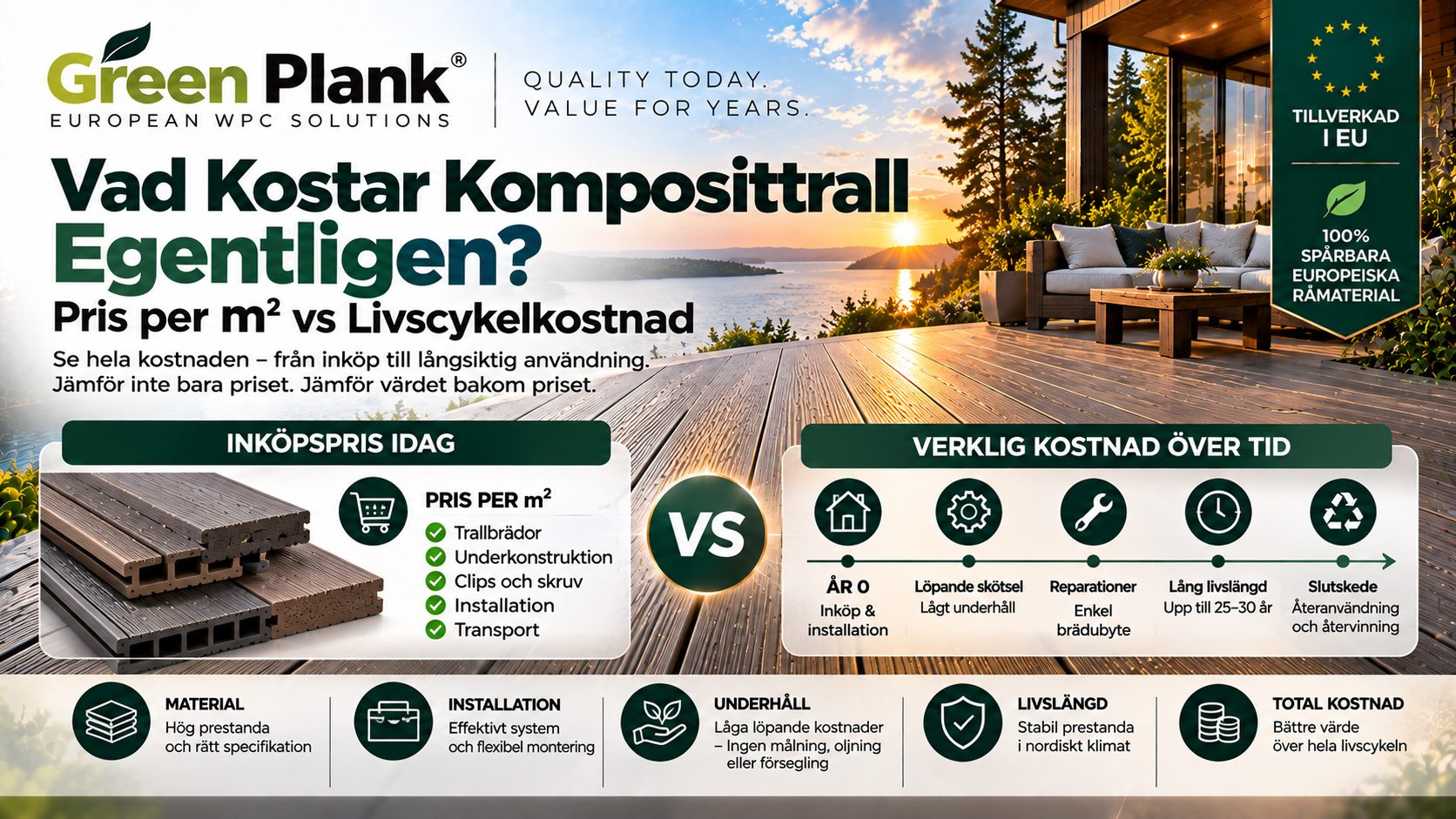
Compare the long-term economics of maintenance-free WPC against traditional timber, focusing on superior moisture resistance and the elimination of annual treatments.
Discover how the HidLoc™ hidden fastening system facilitates a professional, screw-free finish for seamless architectural transitions.
Evaluate the security of a 50-year warranty backed by 100% EU-sourced raw materials and rigorous regional manufacturing standards.
Table of Contents
What Defines Sustainable Composite Wall Cladding in 2026?
The Engineering of Eco-Friendly WPC: The 75/25 Ratio
Circularity in Construction: The Cradle to Cradle Model
Performance Comparison: Sustainable WPC vs. Traditional Timber
Specification Guide: Integrating Sustainable Cladding into Projects
What Defines Sustainable Composite Wall Cladding in 2026?
Defining sustainability in the construction sector has moved beyond simple recycling. In 2026, sustainable composite wall cladding represents a sophisticated fusion of material science and ecological stewardship. It's a high-performance blend of 75% bio-based hardwood fibers and 25% recycled HDPE polymers. This specific ratio ensures structural integrity while maximizing the use of renewable resources. Unlike older, less stable materials, modern Wood-plastic composites (WPCs) function as a carbon sink by utilizing wood by-products that would otherwise be incinerated or sent to landfills.
The industry is witnessing a decisive shift from linear "take-make-waste" models to circular construction. This transition means facades are no longer viewed as consumables with a finite lifespan; instead, they're treated as valuable material banks. True sustainability in this decade rests on three critical pillars:
Material Origin: Utilizing 100% EU-sourced raw materials to ensure ethical harvesting and low initial carbon debt.
Manufacturing Energy: Reducing the project's total CO2 footprint through localized production and high-efficiency processing.
End-of-Life Recyclability: Ensuring every board can be returned to the manufacturing cycle at the end of its service life without losing material quality.
By choosing these engineered profiles, architects directly address global deforestation. High-density WPC provides the warmth and texture of natural timber without requiring the felling of new trees. It protects our natural forests while delivering a facade solution that remains durable for up to 50 years.
The Evolution of Eco-Friendly Facades
Early composite attempts were often plastic-heavy and prone to significant thermal expansion. These first-generation products lacked the organic aesthetic and dimensional stability required for high-end architecture. Modern sustainable cladding has evolved into a high-density, bio-centric solution that meets the rigorous demands of contemporary design. Architects now prioritize sustainable building materials that offer both aesthetic depth and environmental transparency. This shift has led to a decline in PVC-based solutions, which rely on virgin fossil fuels and present toxic challenges during disposal.
Why European Sourcing is a Sustainability Metric
Regional reliability is the new benchmark for project security. Sourcing materials within the EU significantly reduces "transportation carbon," which refers to the hidden emissions generated by global shipping routes. European manufacturing is also governed by the world's strictest environmental regulations, ensuring that every component of the cladding meets high safety and ecological standards. Sustainable WPC is a material that prioritizes bio-content and regional supply chains to minimize its total environmental impact.
The Engineering of Eco-Friendly WPC: The 75/25 Ratio
The performance of a facade is determined by its molecular architecture. While many manufacturers rely on a generic mix of recycled plastics and unspecified wood fillers, the Green Plank formulation is precise: 75% hardwood fiber and 25% High-Density Polyethylene (HDPE). This high hardwood content isn't merely an aesthetic choice. It is a structural requirement for sustainable composite wall cladding that must endure decades of thermal expansion and contraction. By prioritizing a higher ratio of bio-based fiber, we achieve a material density that closely mimics the weight and feel of natural timber while providing the longevity of an engineered product.
The engineering of eco-friendly WPC requires a balance between the organic strength of wood and the weather-sealing properties of polymers. HDPE serves as a superior, non-toxic binding agent that encapsulates each fiber, protecting it from moisture and rot. Unlike inferior foamed composites that use air pockets to reduce material costs at the expense of strength, our engineering focuses on high-performance density. This ensures the material remains dimensionally stable even in harsh climates. This precision is why we can offer a 50-year warranty on materials sourced entirely within the EU. By maintaining strict control over the raw material stream, we ensure no contaminants or inferior softwoods weaken the bond between the fiber and the polymer.
Hardwood Fiber vs. Softwood Fillers
The choice of fiber dictates the long-term integrity of the facade. Hardwood fibers are naturally denser and more resistant to moisture than the softwood fillers commonly found in budget imports. Our manufacturing process specifically binds these fibers to prevent tannin leaching, a common issue where natural oils stain the building's foundation or surrounding stone. For a deeper look into the material science behind our boards, you can explore the Green Plank process which details our commitment to high-performance engineering.
Low-Density vs. High-Performance Engineering
Sustainable engineering allows for a low-density profile that doesn't sacrifice durability. We achieve this through compressed fiber technology rather than cheap chemical foaming agents. This distinction is critical for sustainable composite wall cladding used in commercial projects. The material maintains its shape across extreme temperature fluctuations, preventing the warping and buckling seen in inferior products. We also integrate UV-stable additives that lock in color without the use of harsh chemical dyes, ensuring the facade retains its regional character for a lifetime. If you're planning a project that requires this level of durability, you might explore our infrastructure profiles to see how these engineering choices translate into real-world performance.
Circularity in Construction: The Cradle to Cradle Model
Modern architecture is moving beyond the linear "take-make-dispose" mindset. The Cradle to Cradle ownership model represents a fundamental shift where manufacturers retain responsibility for the material's entire lifecycle. In the context of sustainable composite wall cladding, this means every board is designed as a technical nutrient. Instead of ending up in a landfill, these materials are destined to be reclaimed and repurposed into new high-performance products at the end of their functional life. This approach treats the building facade as a material bank rather than a consumable expense.
Circular design ensures that project resources never become waste. When a facade is engineered for a 50-year service life, its Lifecycle Assessment (LCA) improves dramatically. A single installation that lasts half a century avoids the cumulative carbon debt of four or five replacement cycles required by lesser materials. By maintaining 100% EU-based production, we also slash the CO2 footprint associated with global logistics. Localized manufacturing isn't just about supply chain security; it's a core component of a responsible carbon strategy that prioritizes regional reliability over cheap global imports.
Achieving a Zero-Waste Facade
The process of reclaiming WPC at the end of its 50-year life is a hallmark of true circularity. Because our manufacturing involves no toxic glues or formaldehyde, the material remains safe for closed-loop recycling without contaminating the material stream. Specifying this type of composite wall cladding helps projects secure higher ratings in LEED and BREEAM certifications. These global frameworks reward materials that demonstrate full transparency and a clear, documented path toward zero-waste construction.
Durability as the Ultimate Sustainability Metric
A product that lasts 50 years is inherently more sustainable than one requiring replacement in 10. While some manufacturers focus only on initial recycled content, we prioritize the total environmental impact over the building's entire life. Our 50-year warranty serves as a primary signature of engineering confidence, proving the material can withstand extreme weather without structural degradation. The longest-lasting material is the one with the lowest environmental impact over time because it minimizes the future demand for new raw materials and energy-intensive manufacturing. This longevity reflects our commitment as a sustainable craftsman, building for the future while respecting the present environment.
Performance Comparison: Sustainable WPC vs. Traditional Timber
Choosing sustainable composite wall cladding eliminates the cyclical burden of maintenance inherent to traditional timber. While natural wood offers an immediate organic appeal, its structural integrity begins to decline the moment it's exposed to the elements. Timber requires annual staining, painting, or oiling to prevent rot; high-performance WPC requires only an occasional rinse. This difference in maintenance translates to a significantly lower total cost of ownership (TCO) over a 25-year period. Verified data indicates that the total cost of owning WPC cladding is typically 30% to 50% lower than wood siding when accounting for labor, materials, and replacement cycles.
Moisture absorption is the primary driver of facade failure. Natural wood is porous, leading to swelling, warping, and eventually, fungal decay. Our 75/25 hardwood-to-HDPE blend creates a dense, hydrophobic barrier that maintains its dimensional stability in the most demanding European climates. Beyond physical durability, modern fire safety standards have changed the landscape for commercial facades. B1-rated panels now account for 47% of commercial specifications, providing a level of predictable safety that untreated timber cannot match. This engineering confidence allows us to support our products with a 50-year warranty, a timeframe that few natural wood species can achieve without extensive chemical intervention.
The Problem with Traditional Wood Facades
The environmental cost of natural wood is often hidden in the chemical stains and sealants required for its preservation. These toxic coatings leach into the soil and groundwater over time, contradicting the "natural" promise of the material. In the humid and variable climates across Europe, timber is caught in a constant rot and warp cycle. Architects seeking a more reliable alternative often look toward European-engineered WPC to find solutions that prioritize regional reliability and material longevity over the high-maintenance demands of softwoods.
WPC Cladding vs. Vinyl and Fiber Cement
Material selection often comes down to the balance of aesthetics and weight. Vinyl cladding, while affordable, often looks synthetic and lacks the architectural gravity required for premium projects. Fiber cement offers durability but is exceptionally heavy, increasing installation costs and structural requirements. Our sustainable composite wall cladding provides the warmth and tactile authenticity of 75% hardwood fiber without the cold, mineral feel of cement-based boards. It is lighter to handle, faster to install, and more resilient to impact than brittle mineral facades. If you're ready to upgrade your next project with a maintenance-free facade, view our full range of composite wall cladding to find the perfect profile for your design.
Specification Guide: Integrating Sustainable Cladding into Projects
Architectural success depends on the transition from design intent to technical execution. When specifying sustainable composite wall cladding, the selection of the correct profile is paramount. Commercial infrastructure profiles are engineered for higher traffic and more demanding environmental stressors than residential alternatives. These profiles offer the necessary rigidity for large-scale facades while maintaining the organic texture that defines high-end sustainable design. Choosing the right profile ensures the building maintains its structural and aesthetic integrity for its entire service life.
The integrity of the facade relies heavily on the substructure. For most commercial applications, aluminum battens provide the best weight-to-strength ratio and fire safety compliance. In specialized or ground-level scenarios, recycled plastic battens offer a moisture-proof alternative that aligns perfectly with circular construction goals. This versatility extends beyond the exterior; WPC is increasingly specified for indoor sustainable wall panels to create a cohesive aesthetic transition between outdoor terraces and interior lobbies. This allows designers to maintain a consistent material palette across the entire project envelope.
Achieving a Flawless Finish with HidLoc™
A primary challenge in facade engineering is managing the natural movement of materials. The HidLoc™ hidden fastening system allows for controlled thermal expansion and contraction without the risk of boards buckling or warping. By securing the boards from the side rather than through the face, the system creates a seamless, screw-free finish that preserves the architectural lines of the building. This method not only improves the visual result but also protects the core of the board from moisture ingress. For those looking to apply these principles to other areas of the site, our professional deck installation guide offers detailed insights into complementary techniques for sustainable outdoor spaces.
Project Planning and Support
Successful integration requires a manufacturer that understands the complexities of commercial infrastructure. We provide comprehensive technical data sheets and material safety documentation to support sustainability audits and BREEAM certifications. These documents offer the transparency needed to verify the 100 percent EU-sourced raw materials and the high-performance engineering discussed in previous sections. Our team is ready to assist with specific span calculations and profile recommendations to ensure your facade delivers on its 50-year promise. Contact Green Plank for a professional consultation on your next sustainable project.
Building a Legacy with Circular Facades
The shift toward circular construction requires more than just recycled content; it demands a fundamental commitment to longevity and regional accountability. By choosing sustainable composite wall cladding, you secure a facade that balances the organic warmth of hardwood with the precision of modern engineering. This approach ensures that every project contributes to a zero-waste future while eliminating the recurring costs of traditional timber maintenance. It's about moving beyond temporary solutions to create architecture that truly lasts.
Our 100% EU raw materials and Cradle to Cradle Certified approach provide the technical transparency necessary for modern sustainability audits. We back this engineering confidence with an industry-leading 50-year warranty, ensuring your investment remains a high-performance asset for decades to come. This combination of material science and ethical sourcing defines the next generation of eco-friendly building envelopes. Explore Green Plank’s Sustainable Cladding Systems to discover how regional reliability and responsible innovation can transform your next architectural project. It's time to build spaces that respect nature as much as they inspire the people within them.
Frequently Asked Questions
Is composite wall cladding actually better for the environment than wood?
Yes, sustainable composite wall cladding is superior because it eliminates the need for toxic chemical stains and prevents the frequent rot-replacement cycle. By utilizing 100% EU-sourced recycled polymers and wood by-products, it preserves natural forests while delivering high-performance durability. It doesn't require the heavy oils or sealants that natural timber needs to survive harsh winters, making it a cleaner choice for the local ecosystem.
How long does sustainable composite cladding last?
Our engineered cladding is designed for a service life of up to 50 years. This longevity is backed by a specific warranty that reflects our engineering confidence and the density of our hardwood-to-polymer ratio. Unlike traditional wood that often degrades within a decade, this material maintains its structural integrity and aesthetic appeal without the need for costly structural repairs or repeated chemical treatments.
Does composite cladding contain harmful chemicals or VOCs?
No, high-quality composite cladding is manufactured without the use of toxic glues, formaldehyde, or high levels of volatile organic compounds (VOCs). We utilize HDPE as a non-toxic binding agent to encapsulate hardwood fibers. This ensures that the panels are safe for sensitive environments, including indoor applications where air quality is a primary concern for architects and residents alike.
Can WPC cladding be recycled at the end of its life?
Yes, WPC cladding is fully recyclable through our Cradle to Cradle ownership model. We view our products as technical nutrients that shouldn't enter the waste stream. At the end of their 50-year service life, the boards can be reclaimed and manufactured into new high-performance profiles. This circular approach ensures that your building facade remains a valuable resource rather than future landfill waste.
How does the 75% hardwood fiber content affect performance?
The 75% hardwood fiber content significantly improves the thermal stability and tactile quality of the boards. This high-density ratio ensures the cladding behaves more like natural timber, reducing the expansion and contraction common in plastic-heavy composites. It provides a stiffer, more durable profile that resists warping while offering a premium, matte finish that mimics the authentic texture of traditional wood.
Is Green Plank cladding fire-rated for commercial use?
Yes, we provide specific commercial infrastructure profiles designed to meet rigorous safety regulations. These fire-rated systems are essential for high-density residential and commercial projects where material performance is strictly governed. By selecting the appropriate fire-rated grade, project managers ensure compliance with the latest European building safety standards while maintaining an eco-conscious, high-end aesthetic for the building envelope.
Does sustainable cladding fade in direct sunlight?
Sustainable cladding is designed to resist the heavy graying and silvering associated with natural timber. While a slight lightening occurs during the first few months as the material acclimates, the color stabilizes quickly. We integrate UV-stable additives during the manufacturing process to ensure the facade retains its deep, regional tones without ever requiring the annual repainting or staining that wood demands.
What is the Cradle to Cradle model in construction?
The Cradle to Cradle model is a circular framework that replaces the traditional linear construction path. It ensures that every component used in our sustainable composite wall cladding is safe for human health and the environment. This model prioritizes material health and recyclability, allowing the building facade to function as a material bank for future generations rather than a source of environmental debt.
Specificera produkten
Använd den här guiden i en Green Plank-specifikation
Tekniska WPC-artiklar ska stärka de kommersiella sidorna — inte konkurrera med dem. Fortsätt till komposittrall, TerraTuff, Nordeka eller de tekniska nedladdningarna.